Insider Brief
- RodRadar has partnered with UK plant hire firm Lynch to deploy its AI-powered Live Dig Radar (LDR) nationwide, aiming to cut the roughly 60,000 annual underground utility strikes that cost Britain about £2.4 billion.
- The on-bucket radar system provides operators with real-time detection of buried utilities, reducing reliance on outdated maps; in a U.S. Navy project, it reportedly avoided 200 strikes, saving $1.5 million and 1,000 hours of downtime.
- Machine Tech will serve as RodRadar’s exclusive UK distributor, expanding access to contractors and municipalities as the country’s infrastructure grows more congested and regulators push prevention tools like the National Underground Asset Register.
RodRadar has entered the UK market through a partnership with equipment rental company Lynch, aiming to cut the tens of thousands of annual utility strikes that cost Britain billions of pounds.
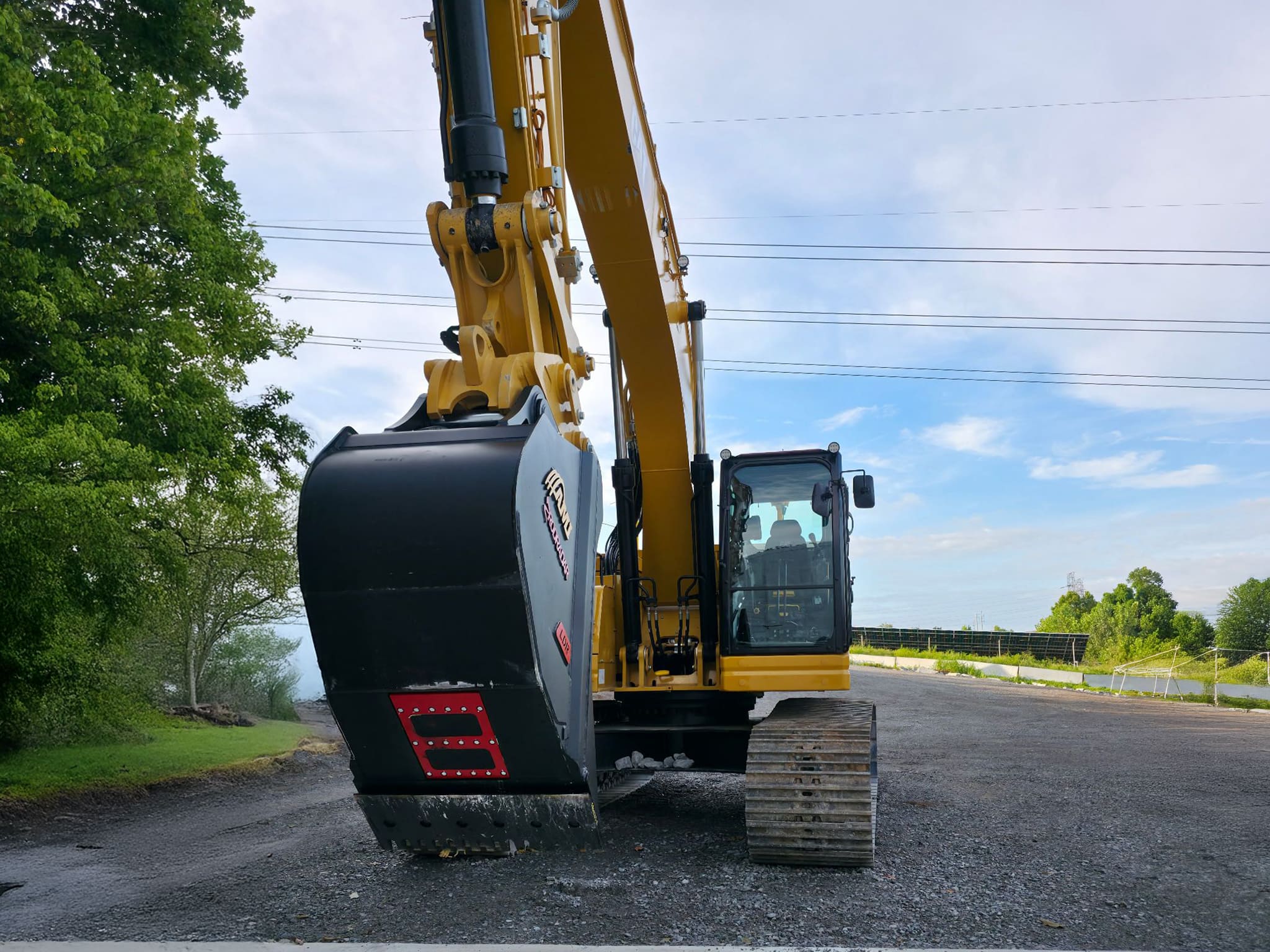
The Israeli technology company announced that its AI-powered Live Dig Radar system will be deployed nationwide through Lynch, which becomes the sole plant-hire company in Great Britain to offer the technology. The system embeds real-time radar into excavation equipment, alerting operators to buried utilities as they dig. RodRadar said this shift from blind digging to data-driven excavation could reduce risk, costs, and delays across construction projects.
“RodRadar is driven to give operators instant, actionable visibility beneath the surface during excavation,” Yuval Barnea, VP Sales and Marketing at RodRadar, said in a statement announcing the partnership. “By partnering with a national rental powerhouse like Lynch in a predominantly rental-driven market, any customer from Cornwall to the Highlands of Scotland will have access to our Live Dig Radar systems and ‘stop digging blind’, making ‘strike‑free sites’ an everyday reality.”
The scale of the problem is significant and the government has estimated about 60,000 underground strikes occur each year in the UK, costing roughly £2.4 billion. According to a University of Birmingham study, reaches 29 times higher than the actual repair bill when project delays, traffic disruption, and environmental damage are considered.
RodRadar said its technology, based on on-bucket ground-penetrating radar, offers operators instant warnings, overcoming the shortcomings of outdated or incomplete subsurface maps. In a U.S. Navy rehabilitation project, the system helped avoid 200 mismarked or unknown utilities, saving more than 1,000 hours of downtime and $1.5 million, according to the company.
“We are confident that contractors will recognize the LDR as an essential tool with immediate ROI,” Chris Gill, Director at Lynch said. “We are excited about the vast opportunity and are committed to ensuring that our products are fully accessible and successful for our customers nationwide, as the sole supplier to the rental market.”
Machine Tech, a newly established technology provider, has been named RodRadar’s exclusive distributor in the UK to expand access to the system. According to the companies, the deal will make the Live Dig Radar available to contractors, utilities, and municipalities through Lynch’s rental network.
The company pointed out the move comes as the UK’s underground infrastructure grows increasingly crowded. Regulators and industry groups are pushing for stronger prevention measures, including the government’s National Underground Asset Register, which is close to full roll-out. With initiatives such as the Utility Strike Avoidance Group and Line Search Before You Dig already in place, the company stressed real-time tools that integrate with these resources are expected to become common across the sector.