Insider Brief
- University of Ottawa launched the Ottawa Medical Artificial Intelligence Research Institute to coordinate research, education and commercialization in medical AI as competition in the field accelerates.
- Led by Khaled El Emam, the institute will serve as a central hub linking clinicians, researchers, students and affiliated hospitals to scale AI applications and support responsible deployment in healthcare.
- The university said OMARI will also help researchers access shared resources, identify funding and spin out companies, with education-focused initiatives planned in later phases.
The University of Ottawa is launching a new center focused on medical artificial intelligence, aiming to coordinate research, education and commercialization efforts as competition in the field intensifies.
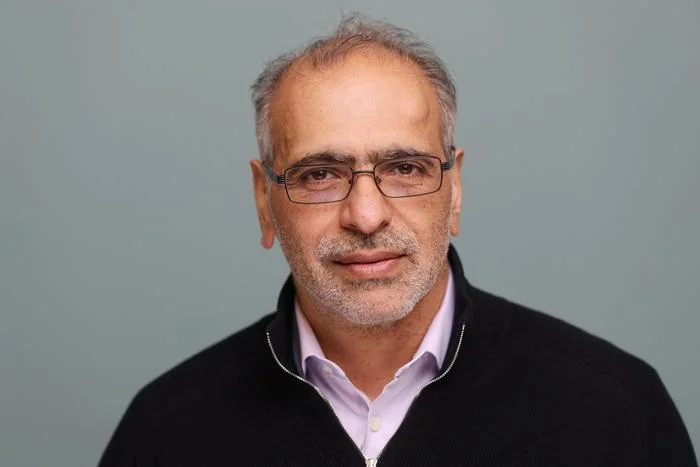
The Ottawa Medical Artificial Intelligence Research Institute, or OMARI, will be housed within the university’s Faculty of Medicine and led by Khaled El Emam, Canada Research Chair in Medical Artificial Intelligence. According to the university, the institute is designed to serve as a central hub that connects clinicians, researchers, students and external partners working on medical AI across affiliated hospitals and research institutes.
“We want to motivate clinicians, researchers and students to bring their innovations from the lab into the real world. Innovation and commercialization can — and should — happen together,” Dr. El Emam, Full Professor in the School of Epidemiology and Public Health and Senior Scientist at the Children’s Hospital of Eastern Ontario (CHEO) Research Institute, said in a statement.
OMARI will focus on scaling AI applications in healthcare, supporting collaborative research teams and helping translate laboratory work into clinical and commercial settings. The university said the institute will also assist researchers seeking to spin out companies, identify nontraditional funding sources and access shared resources such as computing infrastructure and specialized talent.
In its early phase, OMARI will prioritize medical research and the responsible deployment of AI tools in healthcare. Future phases are expected to expand into education, with an emphasis on integrating AI into medical training and research workflows to improve productivity and analytical capacity.
“We teach students the basics, but we also want them to learn how to use AI to code faster and produce analysis results more quickly,” noted Dr. El Emam. “This idea applies to all areas: we want students to use AI effectively in their subjects, and we also want to use AI to improve education overall.”
The University of Ottawa said the initiative is intended to strengthen Ottawa’s broader health research ecosystem and position it more competitively in a fast-moving and increasingly global medical AI landscape.
Image credit: University of Ottawa