Insider Brief
- Neura Robotics and the Technical University of Munich’s Munich Institute of Robotics and Machine Intelligence are launching what they describe as Europe’s largest training center for physical AI systems.
- The TUM RoboGym facility near Munich Airport will initially span about 2,300 square meters and host a fleet of humanoid robots beginning in mid-2026 to generate real-world robotics training data.
- The €17 million project will feed data into Neura’s Neuraverse platform to accelerate development of AI models for autonomous robots while supporting research, workforce training and industry collaboration.
Neura Robotics and the Technical University of Munich’s Munich Institute of Robotics and Machine Intelligence announced they are partnering to launch what they describe as Europe’s largest training center for physical AI systems.
The project represents a joint investment of about €17 million, with Neura Robotics contributing approximately €11 million of the funding. The company said the training environment will allow researchers and developers to test robotic systems in realistic operational scenarios.
The facility, called the TUM RoboGym and powered by Neura Robotics, will be located at the TUM Convergence Center at Munich Airport and initially span about 2,300 square meters. The project is expected to expand in the coming years as the partners scale infrastructure for training humanoid robots and other autonomous systems under real-world conditions.
The partners said the project is intended to strengthen Europe’s position in robotics and physical AI development as global competition intensifies in the sector.
“European sovereignty is extremely important in times of geopolitical competition between East and West. With this research and training center – one of the largest of its kind worldwide — we are creating a unique infrastructure in Europe for our researchers and students,” Director of the TUM RoboGym and Executive Director of TUM MIRMI Prof. Lorenzo Masia said in the announcement. “Here they can experience, develop, and learn new approaches in robotics and AI, becoming a strong core of European experts as they enter the workforce.”
Neura Robotics said a large fleet of humanoid robots is expected to begin operating in the facility starting in mid-2026. The center will focus on generating large volumes of real-world training data to support the development of advanced robotics and artificial intelligence systems.
Much of the data generated at the facility will feed into Neuraverse, Neura Robotics’ platform for collecting and distributing robotics training data across different hardware systems. The company said the platform is designed to accelerate development of AI models capable of enabling robots to operate safely and reliably in complex environments.
“The decisive competitive factor in intelligent robotics is no longer mechanics, but data,” noted David Reger, founder and CEO of NEURA Robotics. “Those who have high-quality, realistic training data set the pace. We at NEURA Robotics contribute our strength by establishing robot gyms worldwide and connecting training data through our Neuraverse platform, creating scalable training infrastructures for physical AI.”
The partners said the RoboGym will also support academic research and workforce development by providing students and researchers access to large-scale robotics infrastructure. The center is expected to contribute to training the next generation of robotics and artificial intelligence specialists in Europe.
Over time, the facility is also expected to open to industry partners and startups, allowing companies to test and develop robotics applications using the shared infrastructure, Neura indicated.
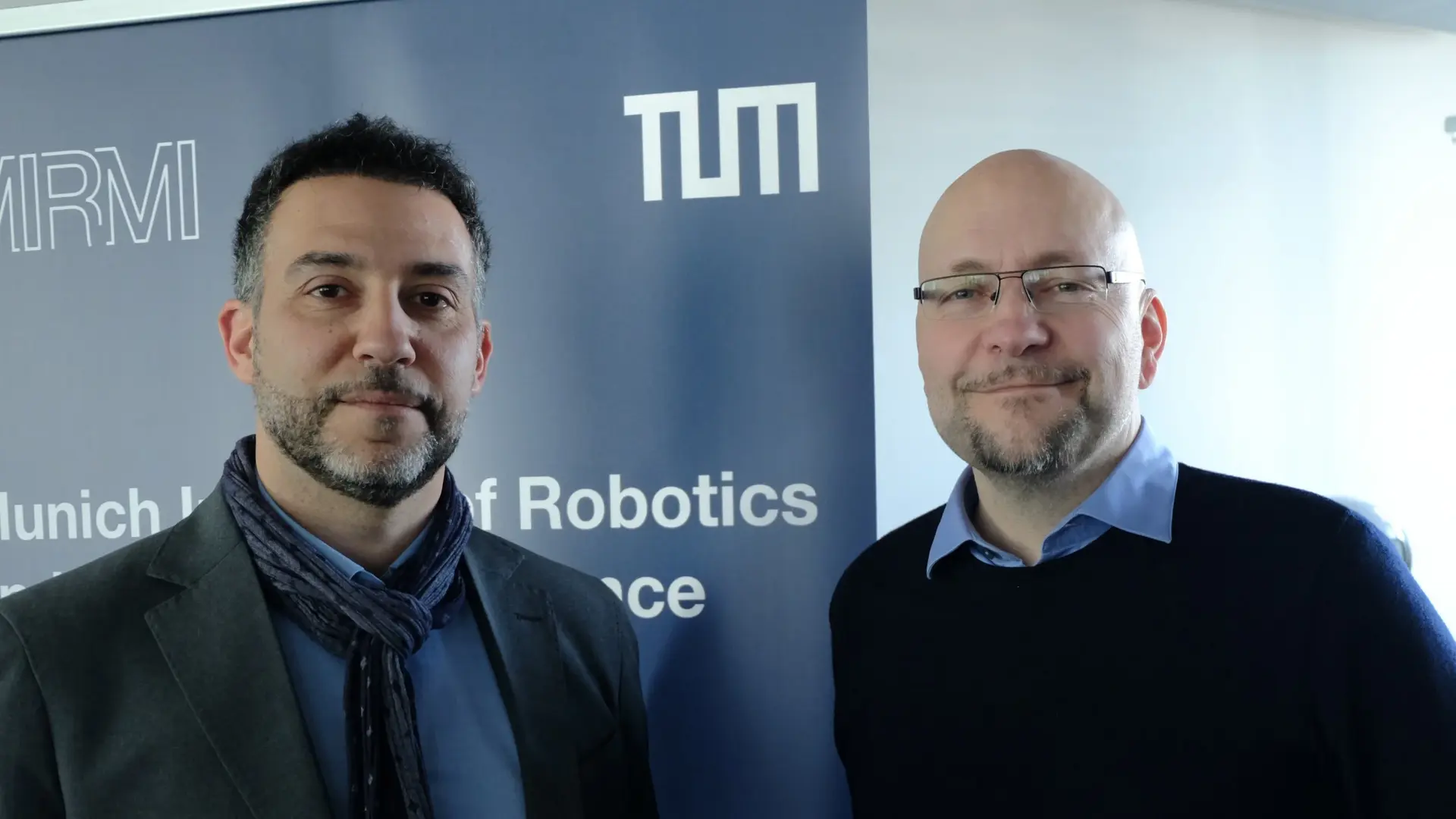
Featured Image: Prof. Lorenzo Masia (left) and Prof. Achim Lilienthal will head up the TUM RoboGym, which is supported by NEURA Robotics. (Credit: A. Schmitz / TUM)