
Insider Brief
- SwarmFarm Robotics raised $30 million led by Edaphon to accelerate U.S. expansion of its lightweight autonomous farm robots and partner ecosystem, with participation from CEFC, QIC, and existing backers, according to Business News Australia.
- CEFC invested $7 million via the Powering Australia Technology Fund to scale “SwarmBots,” which have demonstrated up to 95% herbicide reduction and ~35% fuel-related emissions cuts, per the CEFC.
- SwarmFarm’s integrated autonomy and open SwarmConnect marketplace have logged 220,000+ operating hours across 2M+ hectares, with proceeds earmarked for North American growth, team expansion, and ecosystem development.
SwarmFarm Robotics raised $30 million to accelerate U.S. expansion of its lightweight, autonomous farm robots and partner ecosystem, according to Business News Australia. The round was led by Belgian evergreen fund Edaphon, with new capital from Clean Energy Finance Corporation (CEFC) and QIC, alongside existing backers Tenacious Ventures, Emmertech, Tribe Global Ventures, Access Capital and GrainInnovate (managed by Artesian).
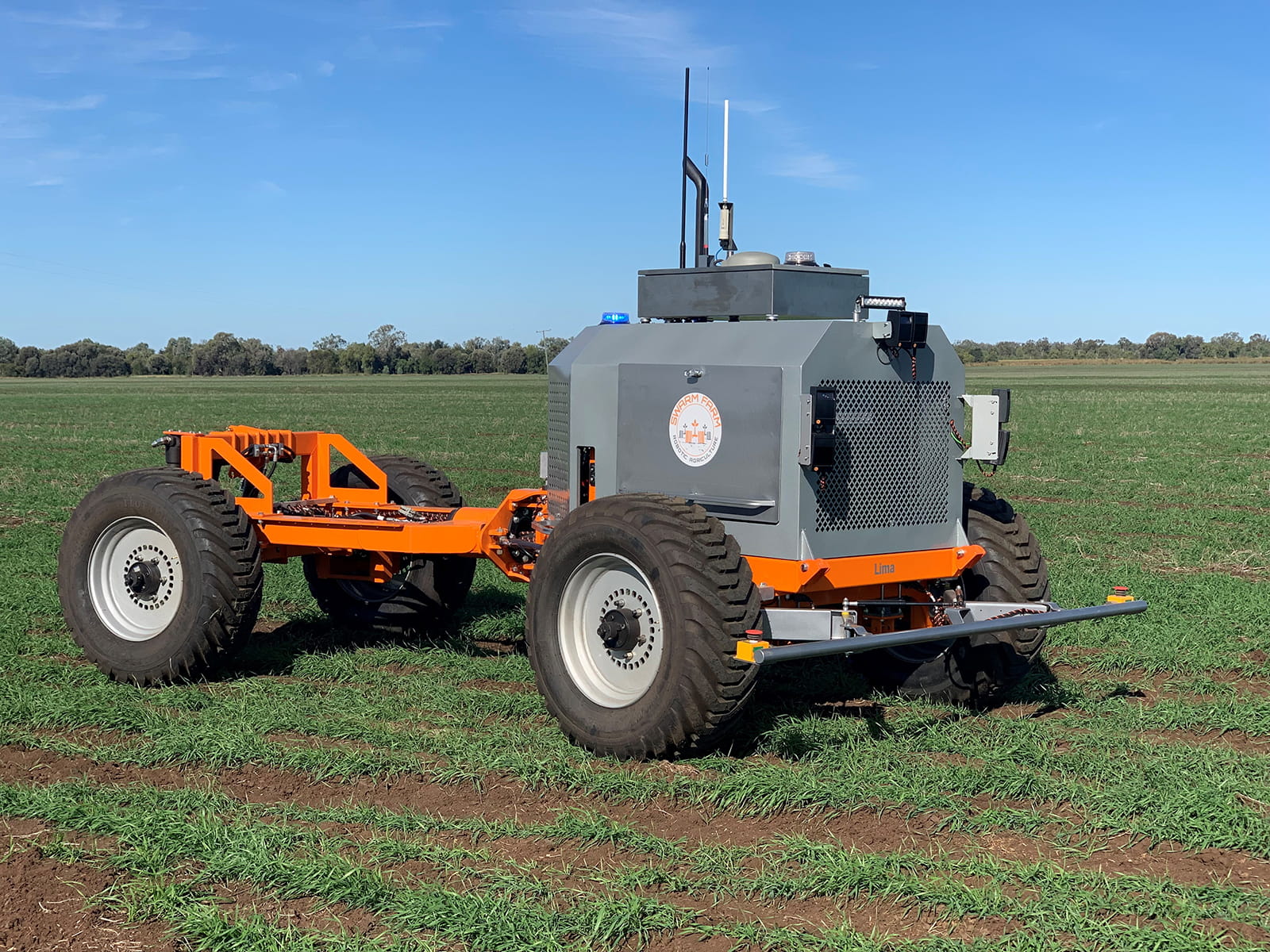
Founded in 2015 in Gindie near Emerald in Queensland’s Central Highlands, SwarmFarm is pitching a different path from decades of “bigger iron.” Instead of adding horsepower, the company’s small, purpose-built platforms and open SwarmConnect marketplace aim to “untether productivity from machine size,” addressing soil compaction, high input costs and rigid workflows that come with ever-larger tractors and sprayers, Business News Australia reported. The systems are already at work in commercial fields across Australia and North America.
Australia’s Clean Energy Finance Corporation (CEFC) is investing $7 million as part of the funding. The capital—drawn from the Powering Australia Technology Fund (PATF)—will help scale SwarmFarm’s lightweight, self-driving “SwarmBots” across agriculture and horticulture, with a focus on precision operations that cut herbicide use by up to 95% and reduce fuel-related emissions by about 35%, according to CEFC.
Edaphon framed its lead investment as a bet on integrated autonomy and farmer-first design, saying SwarmFarm’s approach delivers both productivity and environmental gains, per Business News Australia. CEFC’s participation aligns with its mandate to back lower-emissions technologies in primary industries; the investor pointed to reduced fuel use, fewer chemicals and minimal soil disruption when lightweight, task-specific robots replace traditional passes.
CEFC frames the investment as backing a commercially viable, scalable pathway to more sustainable farming, consistent with prior PATF commitments (e.g., EcoJoule Energy and Energy Locals). The funding is intended to accelerate production, expand deployments, and deepen SwarmFarm’s partner ecosystem as the company pushes its precision, low-impact model across Australian fields.
SwarmFarm positions its model against three current autonomy paths—bolt-on kits for existing tractors, closed OEM platforms, and niche single-task robots—arguing that an integrated, open architecture better lets growers compose their own systems and adapt to local conditions. Through SwarmConnect, short-line manufacturers and agtech partners can build applications that run natively on the SwarmFarm platform, widening the catalog of implements and use cases without locking farmers into a single vendor, Business News Australia noted.
The company says its robots have logged more than 220,000 operating hours across over two million hectares in commercial use, with material reductions in herbicide costs and emissions from avoided heavy-equipment passes, according to Business News Australia. Proceeds from the round will fund North American growth, team expansion and further development of the partner ecosystem.