

Insider Brief
- A Virginia Tech study found AI image generators more accurately represented large metropolitan areas than smaller communities, highlighting potential geographic bias in generative AI systems.
- Researchers found OpenAI’s DALL·E 2 produced more recognizable depictions of cities such as Richmond, Virginia Beach and Washington, D.C., while smaller communities like Blacksburg often lacked defining landmarks and local characteristics.
- The study, based on evaluations from 129 participants, suggests uneven online representation may shape AI outputs and could reinforce visibility gaps as generative tools become more widely used in planning, tourism and public communication.
A study from Virginia Tech found that AI image generators are better at representing large cities than smaller communities, raising questions about geographic bias as generative AI tools increasingly shape travel, planning and public perception. The research, published in Technology in Society, found that images generated by OpenAI’s DALL·E 2 more accurately reflected the identity and recognizable features of larger metropolitan areas such as Richmond, Virginia Beach and Washington, D.C., than smaller communities like Blacksburg.
According to Virginia Tech, researchers from Virginia Tech, Hong Kong University of Science and Technology (Guangzhou) and the University of Alabama examined AI-generated images of Blacksburg, Richmond, Virginia Beach and Washington and then surveyed residents on how realistic and recognizable the images appeared. According to Virginia Tech, the work was motivated by an observation that AI-generated depictions of smaller communities often appeared generic or lacked defining local features.
“People are increasingly relying on AI-generated content to learn about places,” College of Natural Resources and Environment geospatial data scientist Junghwan Kim said. “If smaller cities are not well represented in the data used to train these systems, then the images people see may not reflect the real identity of those communities.”
The study found that AI struggled most with landmarks and culturally significant characteristics that contribute to a community’s identity. Blacksburg images, for example, omitted features such as Hokie Stone architecture associated with Virginia Tech. Researchers also found that long-term residents were more likely than newer residents to identify inaccuracies or missing details, suggesting familiarity with a place influences how people evaluate AI-generated representations.
The findings point to broader questions about the data used to train generative AI systems, the researchers pointed out.
“AI systems learn from enormous amounts of online data,” Kim added. “Larger cities tend to have far more images, media coverage, and digital documentation available online. Smaller towns often do not have the same level of representation.”
The findings have implications beyond image generation, researchers noted. Generative AI tools are increasingly being used in urban design, tourism, public communication and planning workflows, making representational accuracy more consequential. If AI systems systematically favor larger metropolitan areas, they could reinforce existing visibility gaps between major cities and smaller towns.
The study surveyed 129 participants who evaluated AI-generated images based on realism and perceived city identity using urban design concepts such as landmarks, districts, paths and waterfront features. The authors suggest the results highlight the importance of building more geographically representative datasets and incorporating local perspectives into AI development.
The researchers indicated AI remains a potentially valuable design and communication tool but stressed that understanding its limitations will become increasingly important as generative systems play a larger role in shaping perceptions of places and communities.
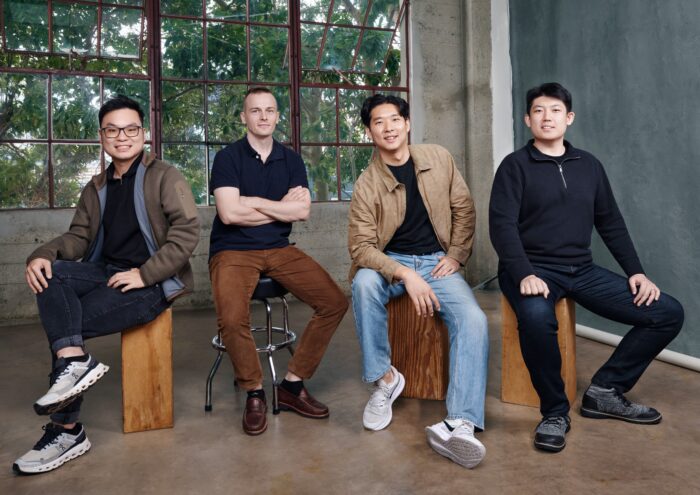
Image credit: Max Esterhuizen for Virginia Tech.