
Insider Brief
- Researchers at Mayo Clinic have developed an AI system that can analyze routine pathology slides to classify meningiomas and predict the likelihood of tumor recurrence, potentially reducing the need for specialized genetic testing.
- The study, published in The Lancet Digital Health, found that AI models trained on pathology images from 672 patients could identify tumor subtypes and recurrence risk using standard tissue slides already collected during routine care.
- Researchers said the approach could make advanced tumor analysis more accessible by providing molecular and prognostic insights without DNA methylation profiling, though additional studies are needed before the technology can be used in clinical practice.
Researchers at Mayo Clinic have developed an artificial intelligence system that can analyze routine pathology slides and predict the likelihood that the tumors will return, potentially reducing the need for specialized genetic testing.
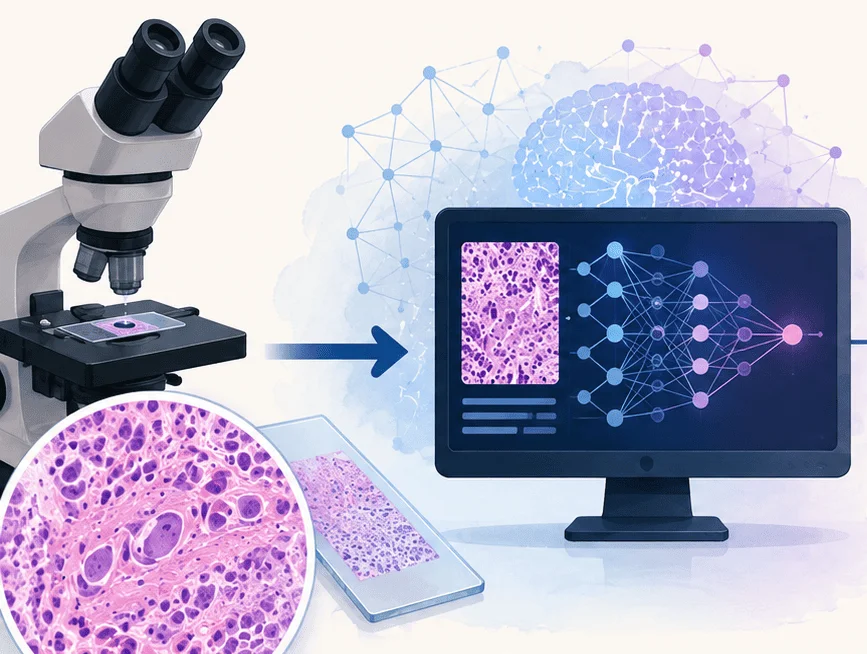
Published in The Lancet Digital Health, the study looked at whether AI could extract molecular and prognostic information from standard hematoxylin and eosin (H&E) pathology slides routinely used in clinical care. According to the Mayo Clinic, the findings suggest that widely available pathology images may provide insights typically obtained through DNA methylation profiling, an advanced molecular test that is not available in many hospitals.
Researchers pointed out that Meningiomas are the most common primary brain tumors in adults, but their behavior can vary significantly. Some tumors grow slowly and do not return after treatment, while others are more aggressive and have a higher risk of recurrence. That risk influences decisions about follow-up care, imaging schedules and whether additional treatments such as radiation therapy should be considered.
How the System Works
To develop the system, the researchers used tissue samples, pathology images and clinical data from 672 patients. Drawing on multiple de-identified datasets, including resources from Mayo Clinic Platform, the team trained deep learning models to identify biological characteristics of tumors using standard pathology slides alone.
According to the researchers, the AI models were able to classify meningioma subtypes and predict recurrence risk from routine pathology images. The models remained predictive even after accounting for established clinical factors such as tumor grade, patient age and the extent of surgical removal.
The researchers also found that the AI system could identify patterns of tumor heterogeneity, or differences within individual tumors, which may help explain why some meningiomas behave more aggressively than others or respond differently to treatment.
“This is one of the many studies where we can harness the strength of digital pathology by capturing the last two decades of genomic and molecular knowledge into AI algorithms,” noted Gelareh Zadeh, M.D., Ph.D., chair of the Department of Neurologic Surgery at Mayo Clinic in Rochester and the David C. and Flora C. Pratt Distinguished Chief Medical Officer for Mayo Clinic Platform.
The findings suggest that AI could help make advanced tumor analysis more accessible by providing molecular and prognostic insights without requiring specialized genetic testing. Such an approach could be particularly valuable for healthcare systems that lack access to advanced molecular diagnostics.
What’s Next?
The researchers noted that prospective studies will be needed before the technology can be incorporated into routine clinical practice, along with validation across broader patient populations and healthcare settings.
Still, the researchers said the work demonstrates how AI can be used to extract clinically meaningful information from existing pathology data and could serve as a foundation for similar approaches in other cancers. Future research will focus on validating the models in clinical settings and exploring how AI-derived predictions can be integrated into treatment planning and patient management.
“The aim is to make these algorithms readily and simply accessible for use globally, improving patient care across many healthcare settings,” said Dr. Zadeh.