

Unconventional AI, a startup founded by Naveen Rao, formerly head of AI at Databricks, has released its first AI model and an accompanying research paper detailing a radical reimagining of computing architecture designed to dramatically reduce the energy cost of AI inference.
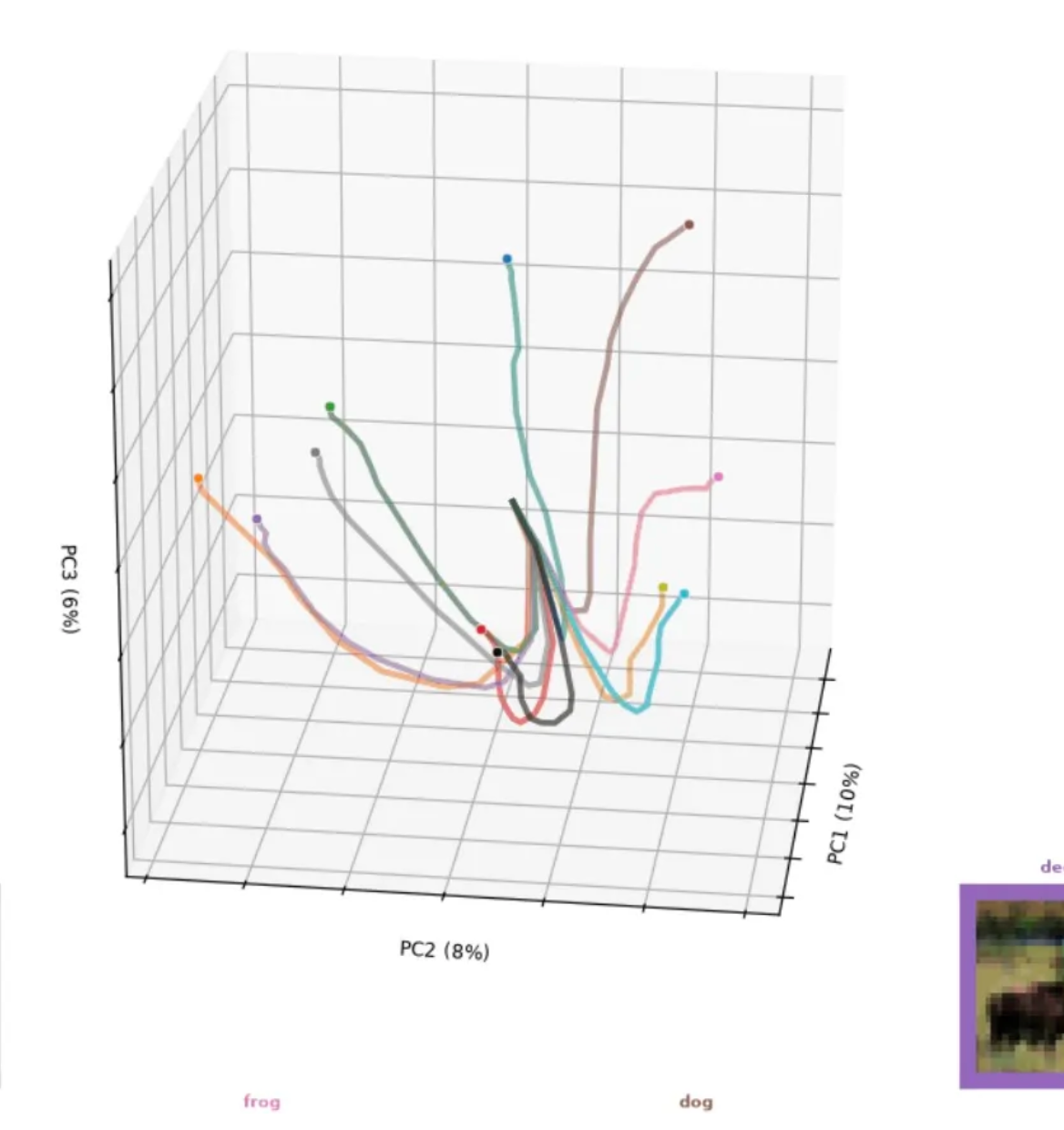
The company’s debut model, Un-0, is an image-generation system built on an oscillator-based architecture that differs fundamentally from the chip designs underpinning conventional AI hardware and large language models. Currently running on a software simulation of the proposed chip design, Un-0 produces outputs comparable to leading diffusion models while demonstrating the viability of the new architectural approach. The company plans to release physical chip schematics shortly.
Rao described Un-0 as the first proof that oscillator-based computing can replicate conventional AI systems, with the longer-term goal of building a complete inference stack capable of delivering AI compute at approximately one-thousandth of the power consumption of current hardware.
The ambition is grounded in a specific thesis about AI’s near-term constraints. Rao argued that energy availability will become the fundamental limiting factor for AI scaling within the next few years, and that without a step-change in power efficiency, growth in inference demand will outpace the infrastructure available to support it.
Unconventional AI currently employs fewer than 50 people, but its oscillator-chip roadmap positions it as one of the few efforts directly targeting the energy ceiling that Rao believes will define the next era of AI development.