
Insider Brief
- FieldAI raised $405 million in two consecutive oversubscribed funding rounds, backed by Bezos Expeditions, BHP Ventures, Canaan Partners, Emerson Collective, Intel Capital, Khosla Ventures, NVIDIA’s NVentures, Prysm, Temasek, with earlier investors including Gates Frontier and Samsung.
- The California-based company develops Field Foundation Models (FFMs), a hardware-agnostic “software brain” for robots, enabling safe, autonomous operation in complex environments across industries such as construction, energy, manufacturing, delivery, and inspection.
- Capital will accelerate FieldAI’s global expansion, support development in locomotion and manipulation, and double headcount by year-end, leveraging a team of veterans from DeepMind, Google Brain, Tesla Autopilot, NASA JPL, SpaceX, Zoox, Cruise, Amazon, DARPA, and Toyota Research Institute.
FieldAI has raised $405 million to fuel its expansion in general-purpose robotics, drawing backing from some of the world’s most prominent investors.
The two consecutive funding rounds attracted Bezos Expeditions, BHP Ventures, Canaan Partners, Emerson Collective, Intel Capital, Khosla Ventures, NVIDIA’s NVentures, Prysm, Temasek, and others, the company has announced. Earlier backers include Gates Frontier and Samsung. The company said the rounds were oversubscribed, reflecting rapid adoption of its robotics intelligence across hundreds of industrial sites worldwide.
The investment will be used to expand FieldAI’s global footprint, support further development in areas such as robot locomotion and manipulation, and double its workforce by year-end, the company said.
FieldAI develops a single “software brain” that can power many different kinds of robots. Its systems are already in use at customer facilities in Japan, Europe, and the U.S., operating in industries such as construction, energy, manufacturing, delivery, and inspection. The robots function autonomously in real-world conditions, without needing maps or preset paths, and have accumulated extensive operational hours. The company says this real-world exposure has allowed it to improve its models at an unprecedented pace.
At the heart of the California-based company’s technology are what it calls Field Foundation Models, or FFMs. Unlike traditional AI models adapted from language or vision tasks, FFMs are built specifically for robotics. The company said they are designed to handle uncertainty, risk, and the constraints of the physical world, which allows robots to operate safely even in unfamiliar or unpredictable environments. This architecture means robots can adapt dynamically without needing new programming.
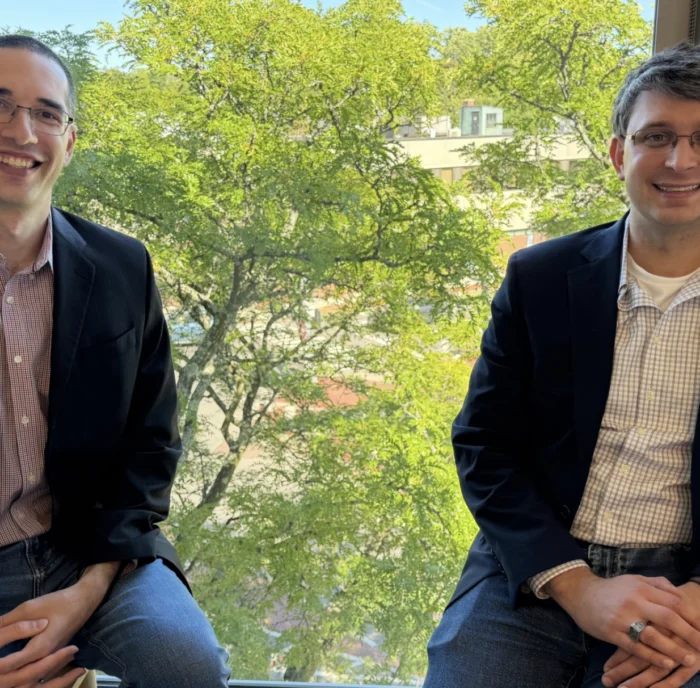
“Our team has spent years in the field, driving major breakthroughs in ‘field robotics’ and safety-critical robotic AI in complex environments,” Ali Agha, Founder and CEO of FieldAI, said in a statement. “With a deep understanding of the resilience and robustness required to deploy robotic AI in complex real-world conditions, we have taken a fundamentally different approach. Rather than attempting to shoehorn large language and vision models into robotics—only to address their hallucinations and limitations as an afterthought—we have designed intrinsically risk-aware architectures from the ground up.”
Agha added their approach allows “robotic operations to scale seamlessly across diverse environments with varying risk profiles” without the hurdles of tradditional approaches.
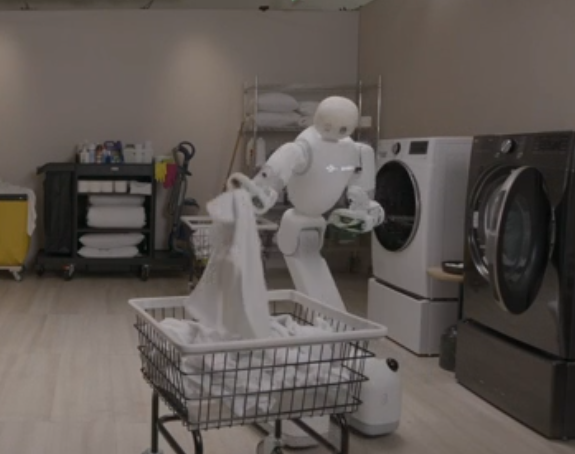
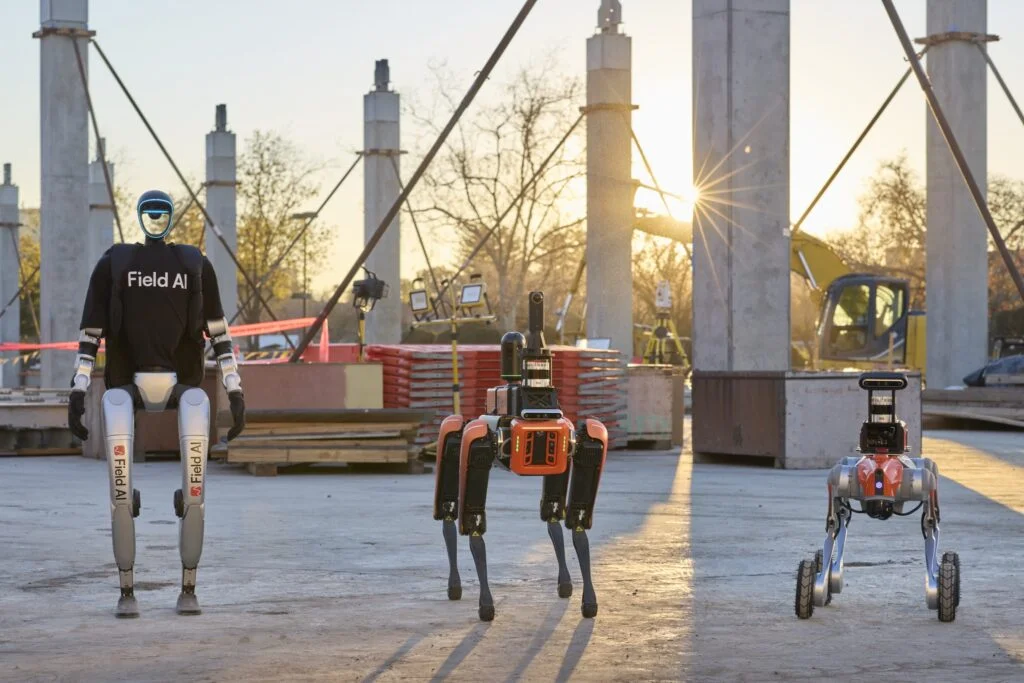
The technology has already been tested on multiple robot types, from quadrupeds and humanoids to wheeled machines and passenger-scale vehicles. Because FFMs are hardware-agnostic, the same core intelligence can run across different platforms, according to the company.
FieldAI’s team includes veterans from DeepMind, Google Brain, Tesla Autopilot, NASA JPL, SpaceX, Zoox, Cruise, Amazon, DARPA, and Toyota Research Institute. According to FieldAI, they have worked on projects from Mars rovers to autonomous fleets, contributing to DARPA challenges and advancing robotics across industrial and research domains, so the company’s name reflects its focus on practical, real-world deployment.