
Insider Brief
- NVIDIA and Uber are partnering to build a Level 4-ready autonomous mobility network, aiming to deploy up to 100,000 vehicles starting in 2027.
- The network will use NVIDIA’s DRIVE AGX Hyperion 10 platform and DRIVE AV software, with support from Stellantis, Lucid, Mercedes-Benz, and other partners.
- NVIDIA’s AV ecosystem includes a foundation model-based approach, a new multimodal dataset, and the NVIDIA Halos safety certification lab accredited by ANSI.
NVIDIA and Uber have announced a wide-ranging partnership to scale the world’s largest Level 4-ready mobility network, using NVIDIA’s DRIVE AGX Hyperion 10 platform and DRIVE AV software. According to Nvidia, the collaboration aims to support the deployment of up to 100,000 autonomous vehicles starting in 2027, with Uber integrating human and autonomous drivers into a unified ride-hailing network. Together, the companies are also building a data factory powered by Nvidia’s Cosmos platform to support AV development.
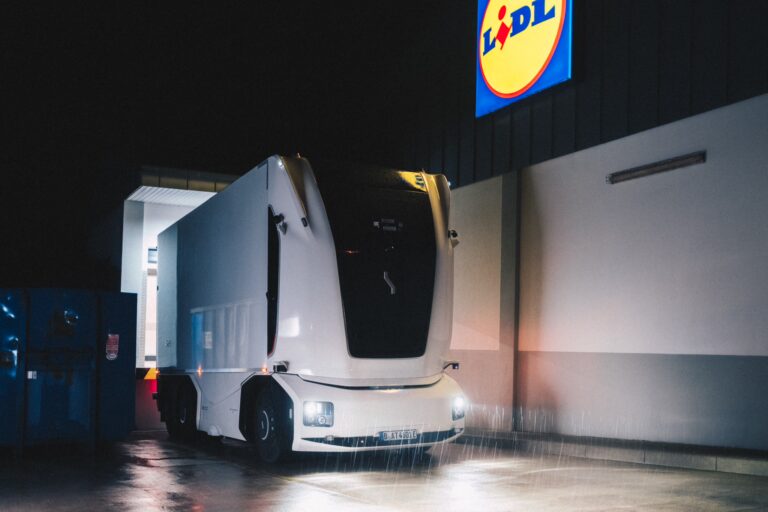
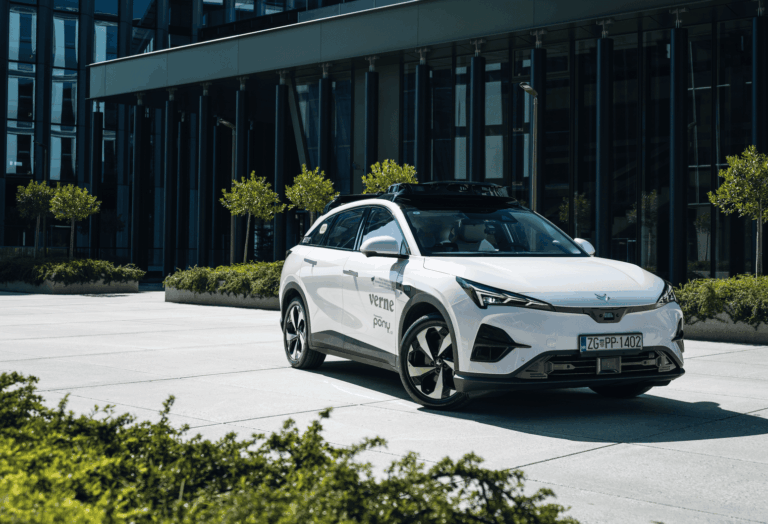
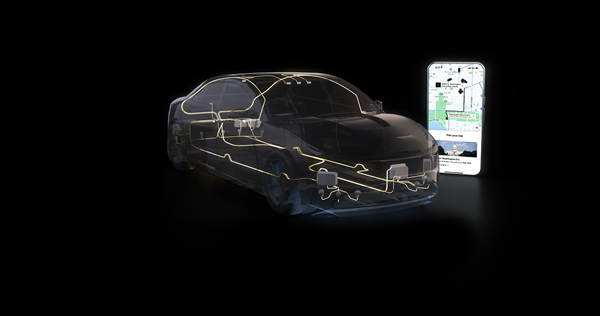
DRIVE AGX Hyperion 10 is designed as a reference architecture for autonomous mobility, combining powerful DRIVE AGX Thor compute with a full sensor suite to deliver safe, scalable Level 4 autonomy. Automakers such as Stellantis, Lucid, and Mercedes-Benz are aligning with this platform for next-generation AV development, alongside Nvidia’s broader L4 ecosystem that includes Pony.ai, Wayve, and Volvo Autonomous Solutions for trucking applications, according to Nvidia, which announced the partnership at its NVIDIA GTC Event in Washington D.C. on Tuesday.
Nvidia said its foundation model approach, including visual-language-action (VLA) reasoning models and the release of a massive multimodal AV dataset, is transforming how AVs learn and adapt in real-time urban scenarios. The company stressed safety is a cornerstone of the ecosystem, reinforced by Nvidia Halos, a new certification framework and AI Systems Inspection Lab accredited by ANSI. Together, these advancements signal a new phase of large-scale, AI-powered mobility.