Insider Brief
- Striding AI said it is developing a robotic foundation system that combines AI models, robotic perception, control systems and real-world action data to help robots learn from experience and perform tasks across industries such as retail and logistics.
- The company said its platform uses world action models and human-in-the-loop reinforcement learning to help robots translate multimodal sensor data into physical actions while continuously improving through real-world operation.
- Striding AI plans to begin deployments in retail before expanding into sectors including food service, agriculture, logistics and healthcare, and said early internal testing showed its reinforcement learning approach improved task success rates by up to three times.
Striding AI announced it is developing a robotic foundation system designed to help robots learn from real-world experience and perform tasks across industries ranging from retail to logistics, as the Beijing-based company looks to speed up deployment of physical AI.
The company said its platform combines foundation AI models with robotic perception, control systems, deployment infrastructure and real-world action data to enable robots to perceive, reason, act and improve through continuous interaction with their environments.
Rather than focusing on a single robot or application, Striding AI is building what it describes as a full-stack system that integrates robot hardware and software, AI models, data infrastructure, control systems and deployment engineering.
“We believe that breakthroughs in physical AI emerge from the continuous co-evolution of data, models, and infrastructure,” founder and CEO Song Yao said in the announcement.
At the center of the platform are world action models and reinforcement learning technologies designed to help robots understand how their actions change the physical world. The company said its system converts multimodal inputs, such as visual and other sensor data, into robotic actions while allowing skills learned in one task to transfer to different environments.
Those capabilities are organized into a closed-loop architecture covering perception, planning, execution, feedback and recovery. According to the company, robots operating in the field generate new data that is used in human-in-the-loop reinforcement learning, creating a continuous cycle of training and improvement.
The company plans to begin commercial deployments in structured settings such as retail, where robots could perform tasks such as shelf restocking, inventory counting, product organization and checkout assistance. Striding AI said the benefit to retail is it offers repeatable workflows, frequent human interaction and operational data that make it well suited for training physical AI systems.
Over time, the company expects the same robotic foundation system to expand into food service, agriculture, logistics, healthcare and telecommunications. Striding AI said the capabilities developed in retail are intended to transfer to more robotic applications as the system gains experience.
Striding AI said early internal testing found its human-in-the-loop reinforcement learning approach improved task success rates by up to three times. To support wider deployment, the company said it is building infrastructure for robot pretraining, distributed reinforcement learning and edge-to-cloud orchestration so models can improve as more robots operate in real-world environments.
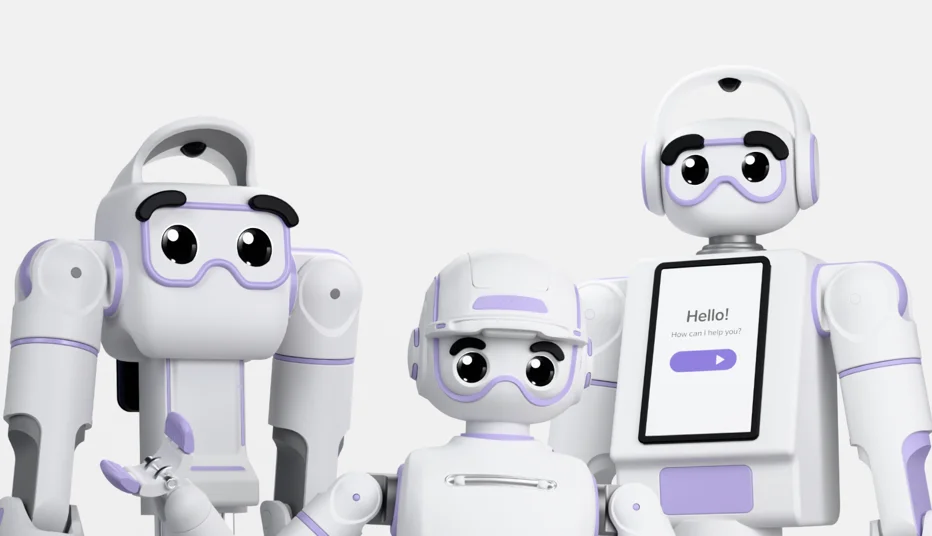
Image credit: Striding AI