Artificial intelligence (AI) is often portrayed as a threat to jobs and a force that will hollow out the middle class. But David Autor, an economics professor at MIT, has a different take — he believes AI actually has the potential to rebuild the eroded middle class.
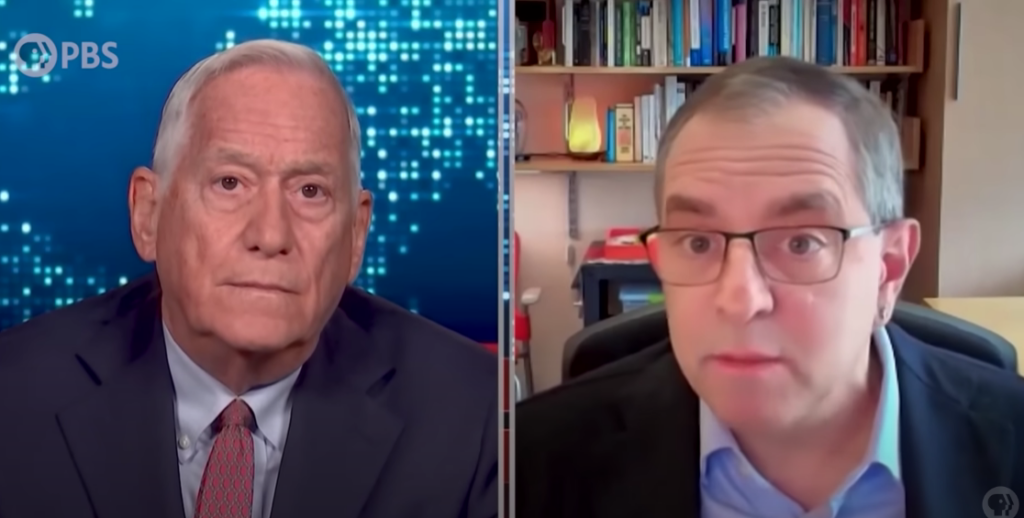
In an interview with Walter Isaacson, Autor provided historical context on how new technologies have reshaped the workforce over time.
“It’s never been a question in the United States certainly of the quantity of jobs but it has been about the quality,” he said. “And quality means using human expertise.”
The industrial revolution initially devalued artisanal skills, leading to low-paid factory work for many. But over time, an era of “mass expertise” emerged where assembly line and office jobs provided middle-class wages. However, the computer revolution that began around 1980 started “pushing workers out of middle skill jobs” according to Autor. Machines replaced routine tasks, bifurcating the workforce into high-skill roles complemented by technology and low-paid service jobs requiring general skills. This “hollowed out the middle class.”
But Autor sees AI’s machine learning capabilities, which can extrapolate from data rather than just following rules, as an opportunity. “It has the potential to change that if we use it well — it can lower the barriers to entry” for more people to do decision-making work that currently requires extensive credentials.
He cited the example of nurse practitioners, who can diagnose and prescribe with additional training compared to registered nurses.
“It’s not hard to imagine a future where people with additional medical training or even nurse practitioners could do a broader set of activities without having to bring in the most expensive professional in the room,” said Autor.
The same democratization of expertise could happen in law, design, contracting and other fields typically requiring bachelor’s and graduate degrees.
“If we enable people without four-year college degrees to do more valuable decision-making work, we’re going to get rid of doctors and lawyers and computer programmers, but now enable more people to do that work at some level,” he said.
Of course, AI could also make some elite roles more competitive.
“It’s definitely going to create more competition at the top,” Autor acknowledged. But he sees an upside: “If it was possible to make some of those services less expensive, more accessible…if it makes healthcare more available to more folks, there’s a lot of benefit to that,” he added.
While he’s “not arguing that everybody always wins,” Autor believes AI presents a case “where the technology may compete a little more with the elite and enable more people to do valuable work.” If that democratization occurs through expanding training opportunities, it could replenish the long-suffering middle class. “I’m willing to take that trade if it’s offered,” he concluded.
Featured image: Credit: Amanpour and Company