

Insider Brief
- Mobileye plans to launch its own U.S. robotaxi service in 2027, expanding beyond supplying autonomous driving technology and into operating autonomous ride-hailing fleets directly.
- The service will combine Mobileye Drive’s self-driving technology with mobility software and fleet management tools from its Moovit subsidiary, creating a vertically integrated platform spanning vehicle technology, rider services and operations.
- Mobileye said it plans to begin with about 100 fully driverless vehicles in a major U.S. city before potentially expanding to roughly 17,000 vehicles over the following five years, while continuing to supply autonomous driving technology to automakers and mobility partners.
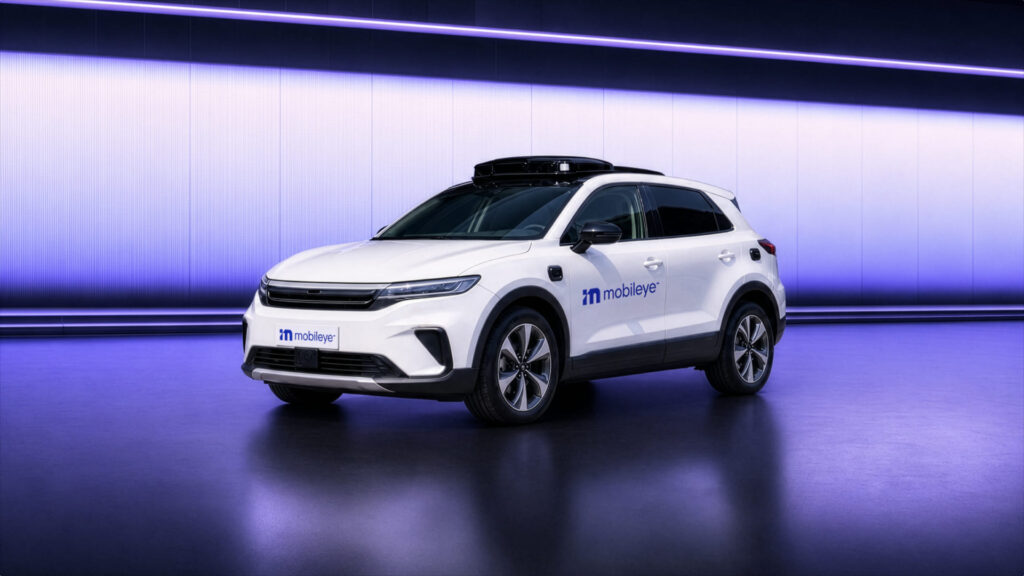
Mobileye plans to launch its own robotaxi service in the United States in 2027, expanding beyond its role as a supplier of autonomous driving technology and into direct operation of autonomous ride-hailing fleets.
The company said the new business will combine its Mobileye Drive self-driving system with mobility software and fleet management tools from its subsidiary Moovit, creating a vertically integrated robotaxi operation that includes vehicle technology, rider services and fleet operations.
Moovit, which Mobileye acquired in 2020, provides trip-planning and transportation services across more than 3,500 cities worldwide and reaches approximately 1.7 billion users. Mobileye said Moovit’s experience in rider engagement, multimodal transportation planning and fleet operations will provide a foundation for scaling autonomous ride-hailing services.
“Mobileye has spent more than two decades building the technologies required for autonomous driving,” founder and CEO Amnon Shashua noted. “Today we are taking the next step: combining those technologies with operational ownership to create a financially and geographically scalable robotaxi business designed from the ground up for global deployment.”
Mobileye stressed that the initiative will complement, rather than replace, its existing business of supplying autonomous driving technology to automakers and other customers, and operating its own service will allow it to gain operational experience, validate its technology in real-world conditions and speed up deployment of autonomous transportation.
The company plans to begin with an initial fleet of about 100 vehicles in a major U.S. metropolitan area in 2027. The rollout is expected to occur in phases throughout the year under fully driverless operating conditions. If successful, Mobileye said it intends to expand the fleet to roughly 17,000 vehicles over the following five years.
Mobileye indicated it plans to work with vehicle manufacturers, fleet operators, vehicle integration partners and other technology suppliers to build an ecosystem that will enable it to own and operate autonomous ride-hailing services while continuing to support customer deployments of Mobileye Drive.
Image credit: Mobileye