

Artificial Intelligence (AI) stands at the intersection of technology and global affairs, poised to reshape the dynamics of geopolitics and the contours of globalization. As nations and economies grapple with its potential and challenges, the influence of AI on the global stage becomes undeniable.
Like many, Ian Bremmer — a political scientist and the head of the Eurasia Group — is certain that AI is going to influence geopolitics and the global economic landscape profoundly.
Transformative
“I think that AI is transformative for the geopolitical order, both in good ways and in problematic ways,” Bremmer told CNBC’s Tania Bryer for “The CNBC Conversation” last month.
Positively, Bremmer suggests that AI has the potential to usher in a fresh era of globalization, especially during a period rife with uncertainties about globalization’s trajectory. This advanced technology might also promote and enhance the emergence of a burgeoning global middle class, he noted.
“Anyone with a smartphone will have access to it,” said Bremmer while contending that this will augment global human resources, with such sectors as healthcare and education set to benefit, adding that industrial and scientific methodologies will witness enhanced efficiency.
“In other words, I’m an enthusiast about what this technology will do for the world,” he went on.
Bremmer highlighted the potential dangers of AI, noting the world’s unpreparedness. AI can be used for both beneficial purposes like coding and vaccine development, and malicious ones like hacking and creating viruses.
“That means that the governance that occurs is going to have to be not just about governments, but the technology companies too. We’re not ready for that, but that’s the reality,” said Bremmer, though added that while global leaders and policymakers might be unprepared now, they are quickly adapting.
What a Difference Year Makes
“A year ago, I can’t think of a single conversation I had with a global leader, anywhere in the world, where they were asking about AI — where they were fundamentally concerned about the implications of AI for their political systems, for the global economy, for national security,” he said. “Today, I can barely think of a single global leader that doesn’t ask me about it.”
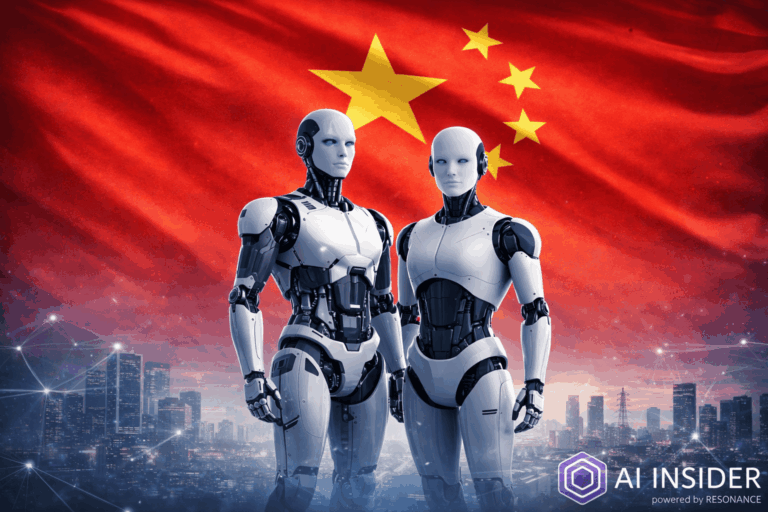
Bremmer highlighted that global powers like China, the US, the U.K., the European Union, and G7 are actively engaging with AI’s implications and the role of tech firms. Following the AI surge in 2022, nations have scrambled to regulate its rapid growth and multifaceted challenges. Recent measures include the EU’s mandate for AI tool reviews and bans on real-time facial recognition, while China set licensing rules for AI services, including those like OpenAI’s ChatGPT.
To effectively regulate AI, Bremner humanity must deepen its understanding of it, Bremmer told CNBC.
“You can’t govern it until you know what it is,” he said.
A collective approach led by the United Nations is essential, Bremner believes, creating an intergovernmental committee on AI. This panel should involve governments, scientists, and businesses to assess AI’s potential, main players, opportunities, and risks.
Bremner emphasizes the importance of global collaboration in AI rather than individualistic competition.
He pointed out the distinction between AI and nuclear weapons: while only a few nations possess nukes and the aim is to prevent others from acquiring them, AI’s open-source and decentralized nature ensures its accessibility to all, with potential for both benevolent and malicious use.
Global Supervision
Hence, Bremmer sees the necessity for global supervision, proposing the formation of a “geo-technology stability board”. Such an entity would promote collaboration between nations and tech giants, striving to balance regulation with the continued global growth of AI.
Bremmer underscored that the AI landscape shouldn’t be a battleground for the US and China alone.
Several nations, including prominent French leaders, have signalled their willingness to cooperate or at least discuss AI regulations. For instance, France has expressed its interest in partnering with the U.S. to develop AI-related laws.
As AI continues to expand across industries, nations are urgently attempting to regulate it. China, the European Union, and the United States have distinct strategies for AI governance and are competing to propagate their regulatory frameworks globally.
While China’s approach is state-driven, emphasizing surveillance, the US focus is a market-driven model rooted in internet freedom and innovation. The EU takes a rights-driven, democratic stance. However, China’s data censorship may hinder its advancements in generative AI. India and Japan are incorporating elements from all three models.
Like other experts in the field, Bremner is well aware of the importance of AI regulation, though with such disparities in approaches and execution of the technology, this could be a difficult thing to attain.