Besxar, a startup founded by former OpenAI staffer Ashley Pilipiszyn, has secured an arrangement with SpaceX to test orbital semiconductor manufacturing using the Falcon 9 rocket booster, which completes more round trips to space and back than any other vehicle.
The company aims to produce precursors for advanced semiconductors by leveraging the vacuum of space, avoiding the costly pressurized clean rooms required by terrestrial chip fabs to prevent contamination. Pilipiszyn has raised nearly $14 million, including a $9 million seed round led by Dauntless Ventures and Overture VC, to pursue the approach.
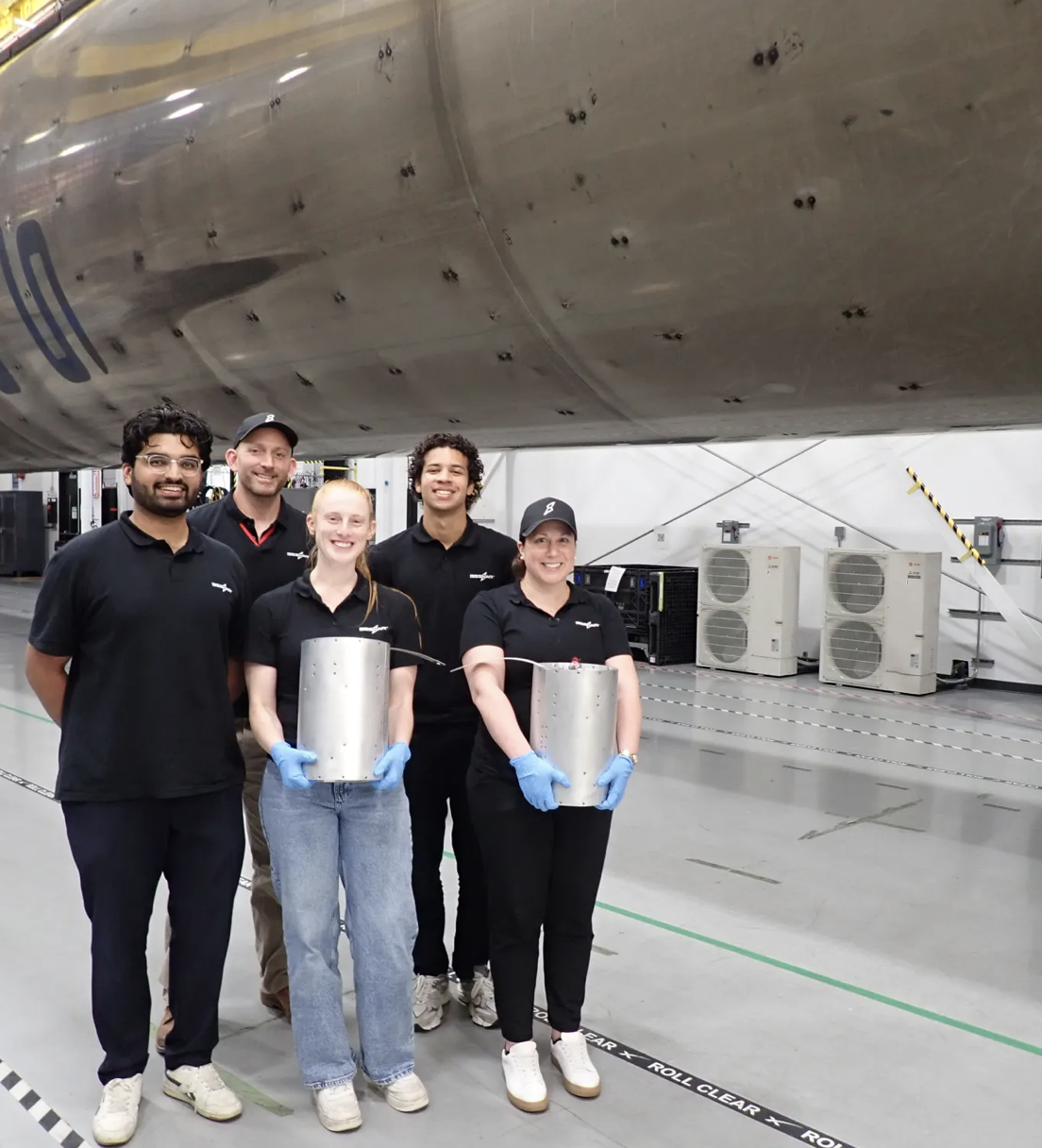
Besxar’s first two “fabships,” small canisters carrying semiconductor materials, flew on a July Starlink mission. Despite a malfunction in one canister’s flight data system, the company reported that the flown wafer samples showed less contamination than those produced on Earth, a result it called encouraging for future scaling.
The company plans to continue testing over the next two years, eventually aiming to fly larger fabs aboard SpaceX’s Starship once it becomes operational. Besxar intends to progress through heating wafers and depositing increasing numbers of materials, with the eventual goal of supplying chipmakers with wafers for chips used in data centers, robotics, and electric vehicles. Competitors including United Semiconductors and Space Forge are pursuing similar space-based manufacturing approaches, though scaling remains dependent on the availability of low-cost rocket transport.
Featured image: Credit: Besxar