Since the inception of robotics, much of the general public have worried that their jobs would be replaced with automation. Part of this fear came from the view that people became less important with more robots and AI used in various industries. While this view may be pervasive it does not account for the many sophisticated jobs that only humans can do.
The question of will robotics lead to a loss of jobs is extremely complicated. A recent report from the World Economic Forum (WEF) predicted that automation would supplant 85 million jobs by 2025, but the overall job market would increase, as the tech-driven economy would create 97 million new jobs. Robotics is already a large part of society, as approximately 30% of all tasks are currently done by machines. By 2025, this percentage is predicted to rise to 50%. The history of the displacement effect (when robots or automation take over tasks previously performed by people) goes back decades. Machines have replaced toll booth and elevator operators, as well as travel agencies. This replacement isn’t anything new.
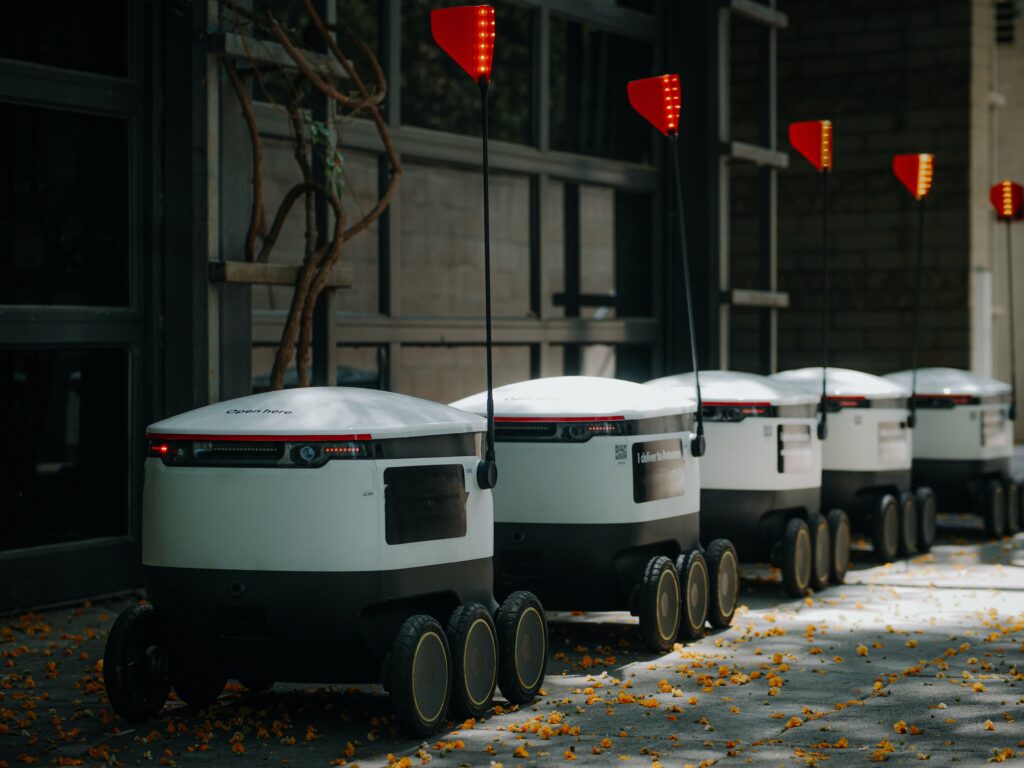
It’s no surprise that automation is expected to increase, as it saves time and money for businesses. From chatbots on websites to IBM’s Watson assistant, machines help streamline processes. For example, many universities are using Sally, a salad-making robotic to replace dining hall employees. Robots like Savioke, a mechanic butler distributing towels and toothbrushes, saves the hotel industry millions in labor costs. These are only a few industries that are utilizing the efficiency of robotics.
A study by MIT showed that for every robot added per 1,000 U.S. workers, wages declined by 0.42%, and the employment-to-population ratio went down by 0,2%, which resulted in a loss of 400,000 jobs. The negative impact robotics have on the workforce varies by industry. As manufacturing, and specifically automotive manufacturing, uses the most automation, it will be impacted the most. The MIT study also predicted that blue-collar workers would be hit the hardest with the increase in automation.
The news for humans isn’t that bleak, however, as robotics and automation will create many new jobs. Additionally, people will have to be retrained to use new technology like AI, for their careers. The WEF predicted that the U.S economy would grow, as smart automation could bring in $15 trillion to global GDP. Those worried about job replacement, know that many jobs are too sophisticated for automation, and humans will be around for much longer.
References:
Brown, Sara. “A New Study Measures the Actual Impact of Robots on Jobs. It’s Significant.” MIT Sloan, July 29, 2020.
Kelly, Jack. “The U.S. Lost over 60 Million Jobs—Now Robots, Tech and Artificial Intelligence Will Take Millions More.” Forbes, October 2020.
Semuels, Alana. “Millions of Americans Have Lost Jobs in the Pandemic — and Robots and AI Are Replacing Them Faster than Ever.” Time, August 6, 2020.
Thomas, Mike. “AI and the Future of Jobs.” Built-In, August 27, 2019.
Image Courtesy of Pixabay.com
If you found this article to be informative, you can explore more current space news, exclusives, interviews and podcasts here.