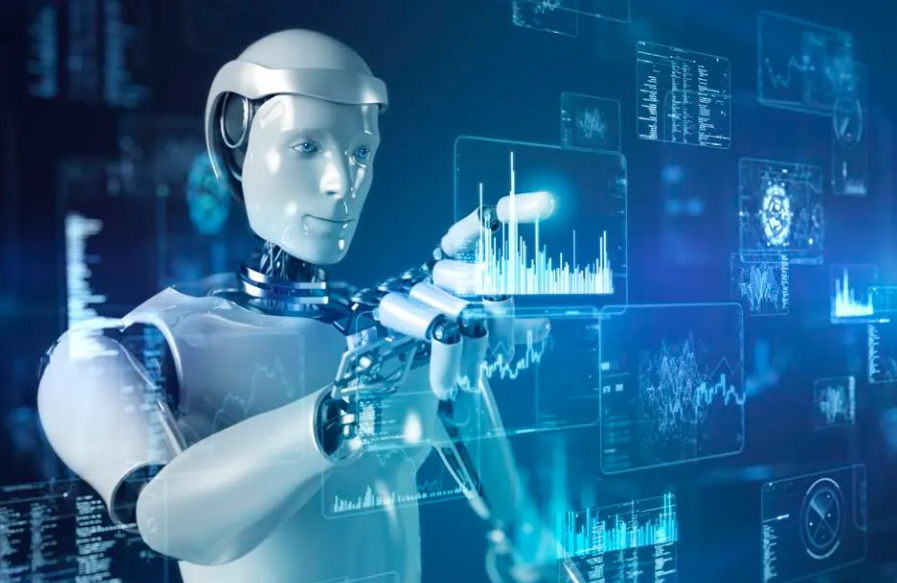
What is Robotics?
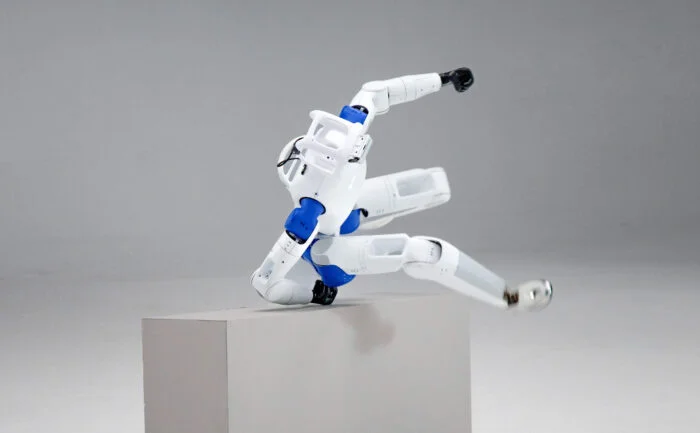
When we hear the word “robotics,” many of us immediately picture the advanced humanoid robots seen in science fiction movies. However, in the context of business and technology, robotics encompasses a much broader range of applications. It’s easy to get confused about what robotics truly entails, as we all have preconceived notions of what a robot is — and those ideas may not align with what we’re discussing.
Generally, robotics refers to the use of robots to perform manual tasks that would otherwise require human intervention. These tasks can be repetitive, physically demanding, dangerous, or simply too precise for humans to execute consistently.
Automation and Robotics: A Nuanced Relationship
You may have heard of robotics in the context of automated production lines. This is because robotics is a form of automation, where machinery, technology, and computers replace human activity or inputs. However, robotics is not synonymous with automation — it’s a specific subset of automation techniques that involves the use of robots.
Applications of Robotics
Robotics can be employed in a variety of scenarios, including:
1. Repetitive and Monotonous Tasks
Humans have a limited attention span and can become fatigued or bored when performing the same task repeatedly for an extended period. Robots, on the other hand, can tirelessly carry out repetitive tasks without compromising quality or accuracy.
2. Physically Demanding Tasks
Certain tasks may be too physically demanding for humans to perform safely or efficiently. For example, lifting and maneuvering heavy objects or working in environments with extreme temperatures or hazardous conditions. Robots can take on these challenging tasks, reducing the risk of injury to human workers.
3. Dangerous Tasks
Some tasks are inherently dangerous, such as handling explosive materials or operating in war zones. Robots can be deployed in these high-risk situations, protecting human lives while still allowing the tasks to be completed.
4. Precision Tasks
Robots excel at tasks that require extremely high levels of precision, such as laser cutting or intricate assembly work. Their ability to follow precise instructions and maintain consistent accuracy surpasses human capabilities in many cases.
5. Computationally Complex Tasks
Certain tasks may involve computational complexity beyond the scope of human cognitive abilities. Robots can be programmed to handle these complex calculations and decision-making processes, enabling solutions that would be impractical or impossible for humans to achieve.
Robotics & Human Collaboration
It’s important to note that robotics is not always about replacing human workers entirely. In many cases, robots are deployed to assist and augment human capabilities, allowing workers to focus on higher-level tasks while robots handle the more repetitive or physically demanding aspects of the job.
A prime example of this is Amazon’s use of robotics in their warehouses. Robots are employed to move and organize inventory, reducing the physical strain on human workers while enhancing overall efficiency and productivity.
The Role of Programming & Software Engineering
Robots are not autonomous entities; they are programmed and controlled by software engineers and coders. These professionals write the computer code that instructs robots on how to perform their designated tasks. As such, robotics is heavily dependent on advancements in software engineering and programming languages.
While robotics and artificial intelligence (AI) are often discussed together, they are distinct concepts. Robotics involves the execution of pre-programmed instructions, while AI refers to the ability of machines to learn, reason, and make decisions without explicit programming.
The Future of Robotics
As technology continues to evolve, the applications of robotics are likely to expand even further. From automating repetitive office tasks to exploring the depths of space, robots have the potential to revolutionize various industries and aspects of our lives.
However, it’s crucial to address the ethical and societal implications of robotics, such as job displacement and the need for worker retraining. By fostering a responsible and inclusive approach to robotics, we can harness its benefits while mitigating potential negative impacts.
In conclusion, robotics is a powerful tool that can enhance efficiency, safety, and precision in various industries. By understanding its true nature and capabilities beyond science fiction tropes, we can better appreciate its current and future applications in our ever-evolving technological landscape.
Featured image: Credit: Getty Images