As artificial intelligence (AI) quickly advances, it is testing the limits of existing copyright law in unprecedented ways. Generative AI tools can now create strikingly human-like text, imagery, and even audio outputs — raising complex questions around authorship, fair use, and intellectual property rights.
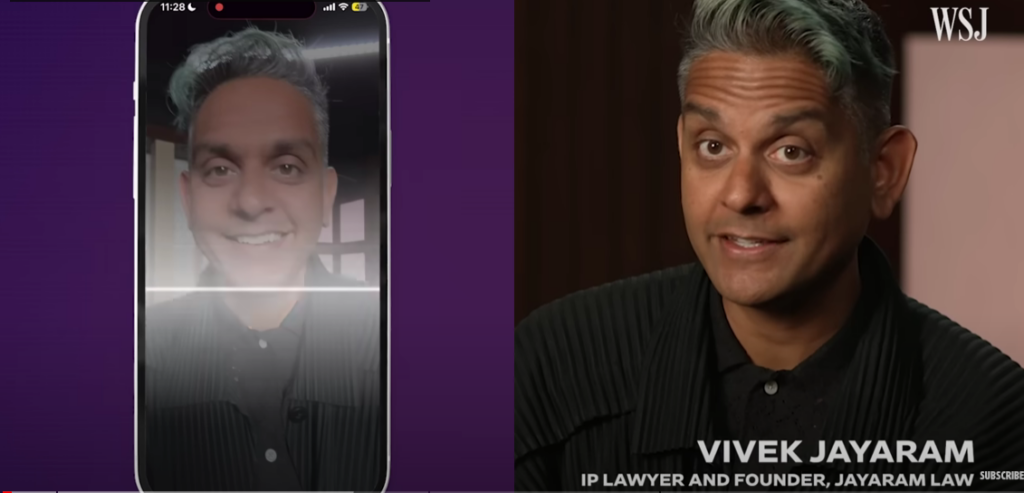
“Technology in general moves very fast and tests the bounds of the existing laws that we have,” said IP lawyer Vivek Jayaram in a recent WSJ interview. “Oftentimes, it’s these types of technologies and shifts in technology and culture that force us to rethink the law or reapply the law, or ultimately even rewrite the law.”
One of the biggest open questions is whether AI-generated works deserve copyright protection at all. In the case of Thaler v. Perlmutter, Jayaram explained: “In order to receive copyright protection, a work needs to be original, fixed to a tangible medium, and have human authorship. This element of human authorship is not really disputed, discussed or litigated very often.”
The copyright office rejected AI-generated art by scientist Stephen Thaler, arguing it lacked a human author — a decision Thaler is appealing. But where is the line drawn?
“Maybe if there were a sufficient amount of original authorship made by a human that could warrant copyright protection,” said Jayaram, citing the Copyright Office’s response to another case involving AI artwork.
Another key issue is whether training large language models like GPT-3 on copyrighted online data constitutes infringement. Jayaram believes “the training standing alone is probably going to be okay” under current fair use doctrine. However, he cautions “these platforms are still going to have to ensure that the output does not constitute copyright infringement.”
As AI capabilities accelerate, Jayaram predicts “either a federal appellate court is going to expand on the definition of what human authorship means, or I think Congress will be lobbied to a point where they will need to define again, the meaning of human authorship as it may relate to contemporary society.”
The law is playing catch-up to paradigm-shifting AI technologies. But as these uncharted intellectual property battles play out in the courts, they will ultimately help shape the guardrails around an AI-driven future.
Featured image: Credit: WSJ