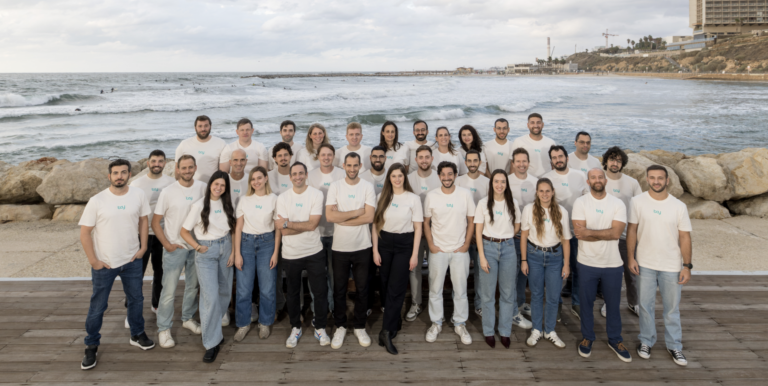
Sparxity Closes Series A, Bringing Total Funding to $90M for Sparse-Native AI Chips
 By James Dargan · · 1 min read
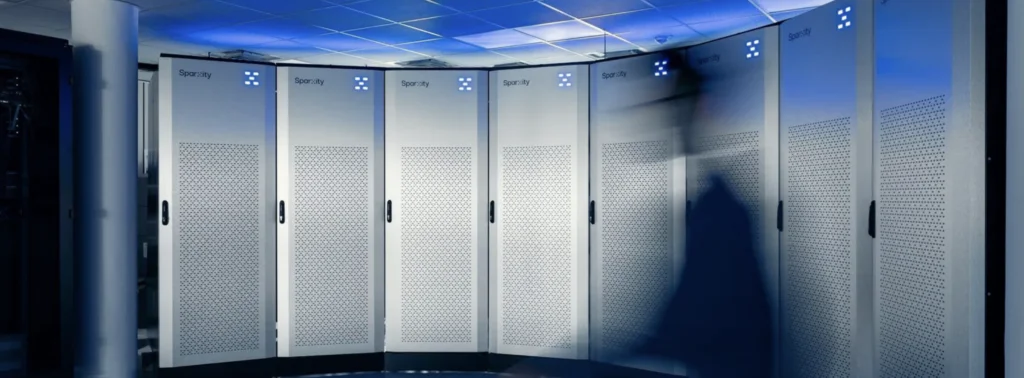
Sparxity, a developer of sparse-native computing systems, has closed its Series A, bringing cumulative funding secured by its team to $90 million. The round was led by ICM HPQC Fund, with participation from Lockheed Martin Ventures, GlobalFoundries, GS Futures, Cloudberry Ventures, TGFS and the EIC Fund, plus angel investments from Richard Socher and Nancy Xu.
The company, formerly known as SpiNNcloud, builds full-stack systems that compute only what matters, and will use the funding to develop chips for fine-grained dynamic sparsity, targeting up to 44 times faster AI inference in ultra-sparse models with greater energy efficiency.
Co-founder and CEO Hector Gonzalez said the next era of AI will be defined by how efficiently computing power is used, describing the financing as validation of a shift from dense, energy-intensive architectures to datacentres with dedicated silicon for sparse workloads. Former Google DeepMind researcher and strategic advisor Xu Owen He said current hardware limits how far dynamic sparsity can go.
Sparxity quadrupled revenue between 2024 and 2025, has completed three tapeouts, produced more than 70,000 chips and serves over 30 customers. Matthew Gould of ICM HPQC Fund cited its proven manufacturing and deployments, including at the Jülich Supercomputing Centre and through a Deutsche Telekom partnership that T-Systems CEO Ferri Abolhassan said will bring energy-efficient AI computing to its AI factory.
Featured image: Credit: Sparxity