
From chess-playing computers to Nobel Prize-winning protein folding breakthroughs, Demis Hassabis has pursued a lifelong fascination with intelligence. The Nobel laureate in Chemistry traces his journey from gaming prodigy to pioneering AI researcher with a singular mission — using artificial intelligence to accelerate scientific discovery.
“I think science is the most important and the scientific method is probably the greatest invention humanity’s ever come up with,” Hassabis asserted during the Nobel Prize in Chemistry 2024 official interview back in December. This belief has driven his career from programming AI for commercial games to founding DeepMind and developing AlphaFold, the revolutionary AI system that predicted protein structures with unprecedented accuracy.
Hassabis sees biology as an information-processing system that perfectly matches AI’s capabilities. He explained that biology “is a hugely complex emergent dynamic system” that can’t be described with just a few equations.
“I think AI systems and AI algorithms are a quite good match, good description language for biology,” he said.
His chess-playing childhood proved formative, teaching him structured problem-solving approaches that influenced his scientific career. This early passion for games later shaped his research methodology at DeepMind, where gaming environments served as testing grounds for AI development.
The impact of AlphaFold has been profound, with over two million researchers worldwide using the freely available tool. Hassabis believes sharing scientific discoveries is essential for progress, noting that his team could only accomplish a fraction of what the global scientific community has achieved with AlphaFold.
Despite receiving the ultimate scientific accolade, Hassabis remains focused on even bigger challenges. He maintains that intelligence is a powerful force of nature that has created modern civilization, and AI can potentially amplify this capability across various domains.
When asked about his biggest AI concerns, Hassabis identified two key issues: the potential misuse of the technology by malicious actors and ensuring appropriate control mechanisms as systems become more autonomous.
Through it all, his original vision remains unchanged — developing artificial general intelligence that could transform our understanding of the most complex scientific challenges facing humanity.
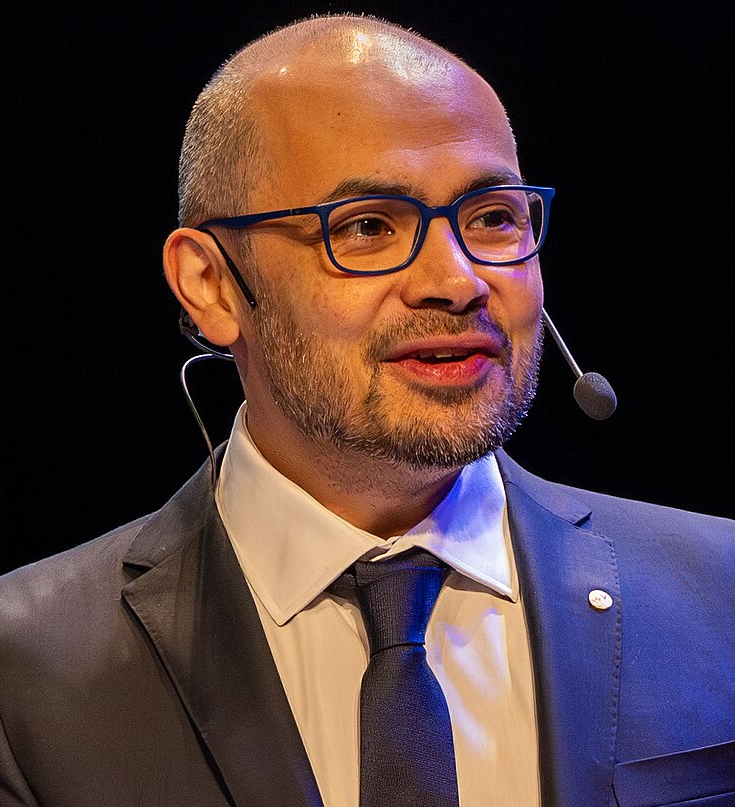
Featured image: Credit: Arthur Petron, Wikipedia