University of Liverpool Unveils Plans for £100M UK AI-Driven Materials Discovery Hub
 By Greg Bock · · 3 min read
Insider Brief
- The University of Liverpool announced a £100 million AI Materials Hub for Innovation (AIM-HI) to position the Liverpool City Region and the UK as a global center for AI-driven materials research and development, according to the university.
- AIM-HI will serve as a national center of excellence with new research facilities, an innovation incubator and infrastructure designed to accelerate AI-enabled materials discovery, industry adoption and workforce development.
- The project is expected to support up to 900 jobs and generate more than £400 million in economic value, building on the university’s Materials Innovation Factory and expanding its national role in AI-accelerated materials science.
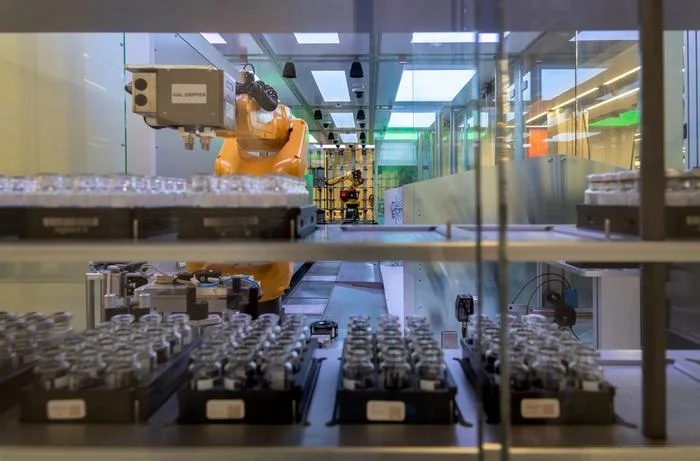
The University of Liverpool announced plans for a £100 million national AI Materials Hub for Innovation, or AIM-HI, an initiative intended to position the Liverpool City Region and the UK as a global center for AI-driven materials research and development. According to the university, the facility will focus on accelerating the use of artificial intelligence and robotics in materials chemistry, with applications in catalysis, net-zero technologies, soft matter and product formulation.
AIM-HI will serve as a national center of excellence, featuring new research and translational spaces, as well as an innovation incubator designed to link academic and industrial partners. The University of Liverpool said the hub aims to close the gap between laboratory discoveries and commercial deployment by providing infrastructure to support AI-enabled materials discovery, workforce development and industry adoption.
“The University of Liverpool is a global leader in AI-driven materials research and industry collaboration, as demonstrated by the success of the Materials Innovation Factory, said Professor Tim Jones, Vice-Chancellor of the University of Liverpool. “AIM-HI represents the next step in our mission to accelerate materials science innovation, drive regional and national economic growth, and support the UK’s transition to net zero. We are determined to put Liverpool — and the UK — at the forefront of the global AI revolution in materials discovery.”
The project is expected to create or support up to 900 high-value jobs across the UK and generate more than £400 million in gross value added, according to the university. Funding will come from multiple sources including industry. AIM-HI is part of a larger £111 million capital project to build a 9,350-square-meter facility for chemical sciences in Liverpool’s Knowledge Quarter, scheduled to open in 2031. The new building will include flexible laboratory space and advanced equipment for research and teaching.
University officials said the initiative builds on the success of the Materials Innovation Factory, an £81 million advanced materials center co-created with Unilever. Since opening in 2018, the facility has generated more than £120 million in grant funding and supported regional SME growth. The university added that AIM-HI will scale this academic-industry model nationally.
The University of Liverpool has become a leading institution in AI and robotics for materials chemistry, receiving major recognitions including the SAIL Award, the Eni Energy Frontiers Award, the Davy Medal and the Royal Medal, according to the university. It jointly leads the £12 million AIChemy Hub, which develops AI solutions for chemistry, and its Department of Chemistry has ranked among the top three in the UK for research impact in the past two Research Excellence Framework assessments.
The university said AIM-HI is intended to strengthen the UK’s role in AI-accelerated materials discovery while supporting national economic growth and the transition to net zero.
Image credit: University of Liverpool