Insider Brief
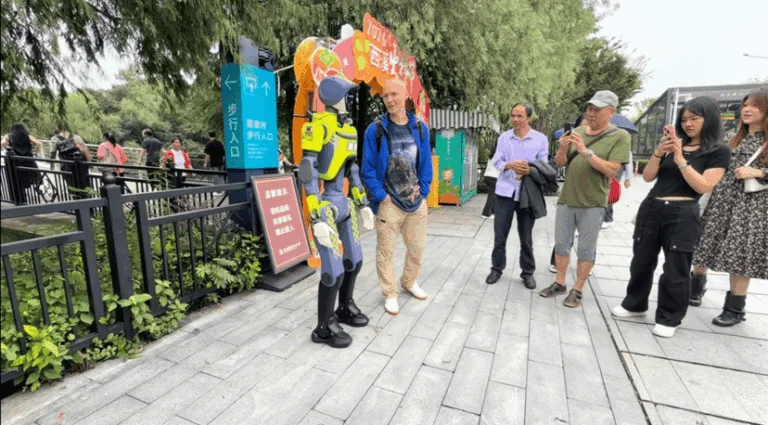
- Faraday Future is targeting shipments of more than 1,000 embodied AI robotics units by the end of 2026, positioning the milestone as a step toward scaling its robotics business.
- The goal follows the company’s first quarter of positive gross margin on robotics products, which it says validates its business model and supports a path toward positive cash flow and profitability.
- Faraday Future plans a phased rollout across enterprise and consumer markets, including education-focused deployments in California schools, while building a recurring revenue model around devices, software and data.
Faraday Future said it is targeting shipments of more than 1,000 embodied AI robotics units by the end of 2026.
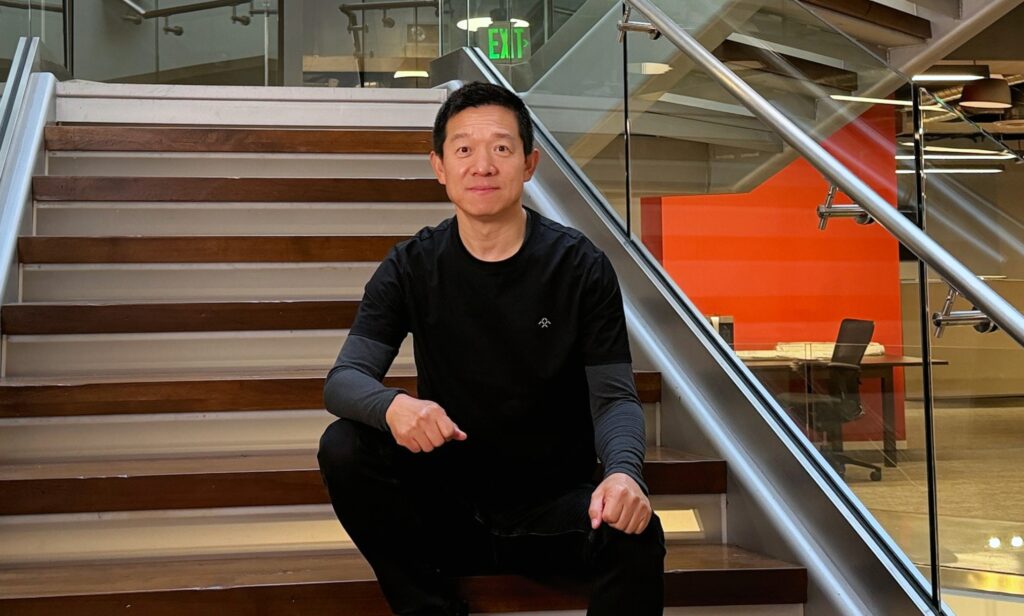
Founder and Co-CEO YT Jia said in a press release the goal comes on the heels of the company’s first quarter achieving positive gross margin on delivered robotics products, which he described as a turning point for its business model.
“First, going from zero to one is critical, as it validates the feasibility of FF EAI’s business model of ‘Launch is sales, sales is delivery, and delivery equals positive gross margin,'” Jia said. “Second, it brings us closer to achieving positive operating cash flow more quickly and ultimately moving toward profitability.”
Faraday Future said the shipment target is tied to a phased rollout strategy across both enterprise and consumer markets. On the B2B side, the company is focusing on previously outlined commercial use cases, while on the consumer side it is prioritizing education and robotics as tools for learning and development in households and schools.
The company indicated is in discussions with California education authorities to deploy robotics labs across K–12 schools and public universities, including institutions such as UCLA and UC Berkeley, as part of an effort to scale adoption and create an early pipeline for its products.
Faraday Future also tied the shipment goal to a broader platform strategy centered on recurring revenue streams from devices, software capabilities and data, alongside what it describes as a “device–data–brain” feedback loop. The company said it is attempting to replicate a model similar to Tesla’s integration of hardware, software and data, but applied to embodied AI systems.
Image credit: Faraday Future