Toyota to Build Waymo Robotaxis in Japan, With Fleet Testing Set for 2027
 By Greg Bock · · 3 min read
Insider Brief
- Toyota will build autonomous bZ4X vehicles equipped with Waymo’s self-driving technology in Japan, with testing of the fleet scheduled to begin in 2027.
- Toyota will assemble the vehicles and integrate Waymo’s autonomous-driving hardware at its Takaoka plant, with the companies planning a future fully autonomous ride-hailing service in Japan.
- The partnership could later expand to the U.K. and other Waymo markets, while Toyota and Waymo are also exploring autonomous-driving technology for personally owned Toyota vehicles.
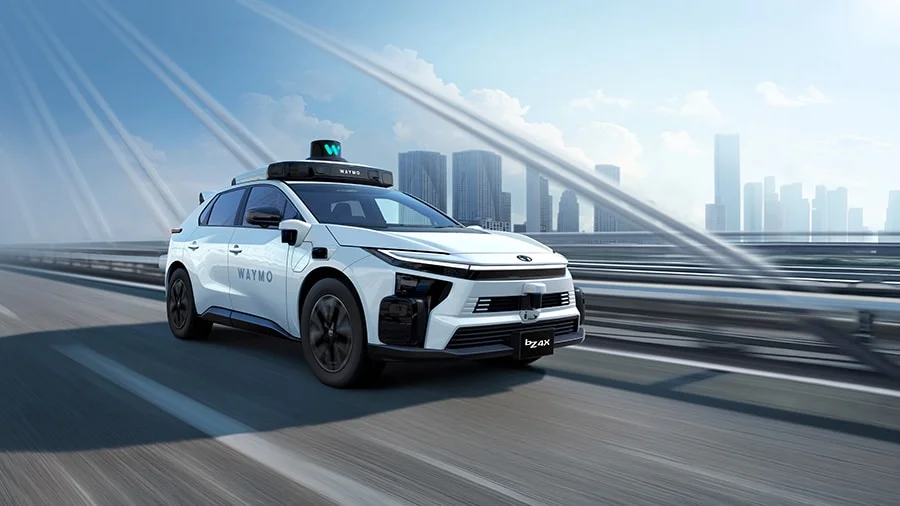
Toyota will build autonomous bZ4X vehicles equipped with Waymo’s self-driving technology at its Takaoka plant in Japan, with testing of the fleet set to begin in 2027.
According to the companies, Toyota will handle both assembly of the base vehicle and integration of Waymo’s autonomous-driving hardware at the Takaoka plant in Toyota City, Aichi Prefecture. The program expands a collaboration the companies announced in April 20256, and the companies described the collaboration on the future fully autonomous ride-hailing service in Japan as the country’s first using high-volume, domestically manufactured vehicles.
Initial operations in Japan will focus on testing and validating the autonomous fleet. Toyota and Waymo also plan to deploy the robotaxis in the United Kingdom and other markets served by Waymo in subsequent years. They did not disclose how many vehicles the fleet will include, the financial terms, which Japanese cities will host it or when the U.K. rollout will start.
Toyota Builds Vehicles for Waymo System
The bZ4X will combine Toyota’s vehicle engineering and manufacturing with Waymo’s autonomous-driving system. The companies said the partnership is intended to support broader deployment of Level 4 autonomous vehicles, which can operate without a human driver under specified conditions.
The custom-outfitted bZ4X gets extra rear legroom, automatic doors, a power liftgate and ambient lighting, features the companies said are meant to make getting in and out easier and the vehicle more accessible.
Collaboration Could Extend to Personal Vehicles
Toyota and Waymo are also exploring how autonomous-driving technology could eventually be used in personally owned Toyota vehicles.
Along with Woven by Toyota, the companies said they will examine whether information from Waymo’s real-world autonomous operations and technology could be applied to other vehicle-safety initiatives.
Toyota and Waymo said the collaboration’s long-term goal is at reducing crashes linked to human error and improving transportation access for people who have difficulty getting around. The announcement did not provide performance data or specific deployment targets for those goals.
Waymo co-CEO Dmitri Dolgov said the company chose Toyota for its reputation for safe, reliable, high-quality vehicles and called Japan a key international market.
“Toyota’s commitment to zero traffic accidents resonates deeply with us at Waymo, and we’re proud to work together toward safer roads for all,” said Dolgov. “In areas where Waymo operates, we’ve demonstrated that we are up to 20x safer than human drivers when it comes to serious crash injuries, and our partnership with Toyota will help us bring the safety and convenience of autonomous driving to more people around the world, including key international markets like Japan.
Hiroki Nakajima, Toyota board member and executive vice president, said the deal would bring the technology to customers in Japan and elsewhere through Waymo’s ride-hailing service.
“This collaboration will help scale that technology and bring it to customers in Japan and beyond through Waymo’s ride-hailing service, and in parallel, Toyota will continue to explore how integrating vehicles with traffic infrastructure can make those roads safer still,” added Nakajima. “No single company can achieve the goal of zero traffic accidents alone, but with partners like Waymo, we will get there one step at a time.”