AI Money Delivers Mixed Midterm Results as Data Center Backlash Emerges as a Political Force
 By James Dargan · · 3 min read
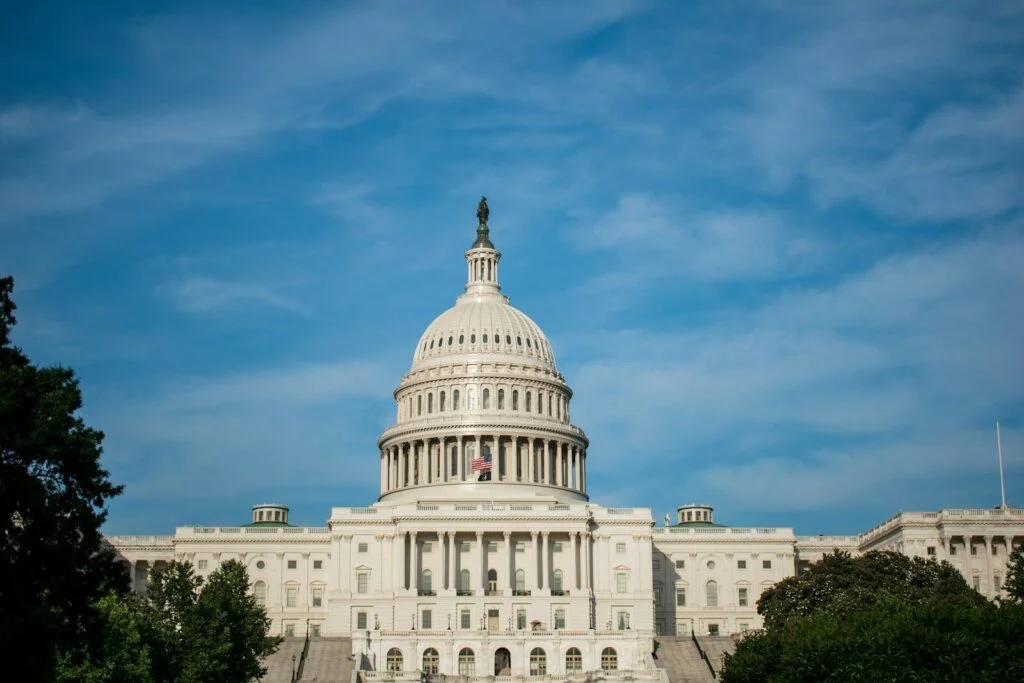
The November 3 midterms handed Democrats full control of Congress and exposed growing voter hostility toward AI infrastructure, while millions of dollars spent by groups on both sides of the AI regulation debate produced mixed results.
Pro-industry PACs American Mission and Building the Future spent a combined $4.8 million backing South Carolina Senate candidate Darline Graham, who lost. American Mission is the Republican arm of Leading the Future (LTF), a political group backed by OpenAI president Greg Brockman and Andreessen Horowitz, and it also spent more than $500,000 each on House candidates Aaron Flint in Montana and Laurie Buckhout in North Carolina, both of whom were defeated. LTF’s Democratic arm, Think Big, fared better in supporting Florida Rep. Jared Moskowitz, who won reelection.
On the safeguards side, Anthropic-backed Public First saw several Republican candidates lose but had more success with Democrats, and contributed $3 million to a PAC supporting California state Sen. Scott Wiener, who was leading his race. Guardrails Alliance spent over $1 million each opposing California Rep. Jimmy Gomez and Aaron Flint, both of whom lost.
LTF told TechCrunch it considers primaries a more effective use of funds, having spent $27.38 million there, including $8 million opposing New York Assembly member Alex Bores. Guardrails Alliance political director Charlie Blaettlerargued that LTF held back in general elections because AI money had become a liability with voters, adding that his group aims to make such money politically toxic. The core dispute between the camps is whether a national AI framework should override state laws, and both plan to keep spending into 2028.
Data centers proved a potent issue at the ballot box. An NBC exit poll found more than half of respondents believe AI will do more harm than good, almost 80% oppose data centers in their neighborhoods and nearly 60% said data centers were a crucial or major factor in their vote. Nadine Smith, president and CEO of Color of Change, described the election as a referendum on who the economy serves, pointing to families in South Memphis exposed to exhaust from gas turbines powering xAI’s supercomputer.
In Ohio, where OpenAI has eyed a $500 billion data center, the county where Meta planned a 700,000-square-foot facility passed a ban on data centers, and Morgan Stanley analysts expect Democratic governor-elect Amy Acton to pose a major risk to the state’s buildout. Candidates opposing rapid data center growth also won in Texas, Maine, Michigan, Nevada, Georgia and South Carolina, and Goldman Sachs predicts construction delays in Georgia and Texas. Researcher Anshi Bhatt said the results show money does not buy outcomes.
Democratic control could improve prospects for a nationwide data center moratorium proposed by Sen. Bernie Sandersand Rep. Alexandria Ocasio-Cortez, though it would face a possible veto, as well as Sen. Martin Heinrich’s GRID Savings Act, which would stop grid upgrade costs being passed to communities. Maia Woluchem of Data & Society expects further state and local action, citing Texas governor-elect Gina Hinojosa, who supports a statewide moratorium.
Smith said she anticipates a fight, including possible executive orders, and argued that companies building AI infrastructure should pay for their own power, meet clean air standards and secure community consent.