NTT Mobility to Test Mapless Autonomous Buses on Japanese Public Roads in 2027
 By Greg Bock · · 3 min read
Insider Brief
- NTT Mobility plans to begin public road testing of autonomous buses in Japan in February 2027 using Imagry’s AI driving system, which operates without high-definition maps or LiDAR sensors.
- The tests will use an electric bus manufactured by eVersum and initially operate at Level 2 autonomy, requiring a human driver to supervise the vehicle and take control when necessary.
- The project will evaluate the system’s ability to navigate Japanese traffic conditions, handle pedestrians and cyclists, and operate in adverse weather while assessing safety, regulatory and technical requirements for commercial deployment.
NTT Mobility announced plans to begin testing autonomous buses on Japanese public roads in February 2027 using an AI driving system that does not require detailed digital maps, an approach the company says will be a first for Japan.
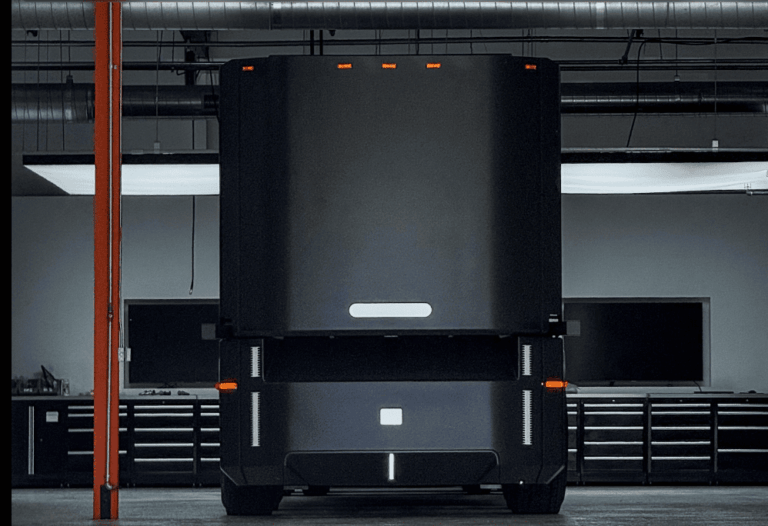
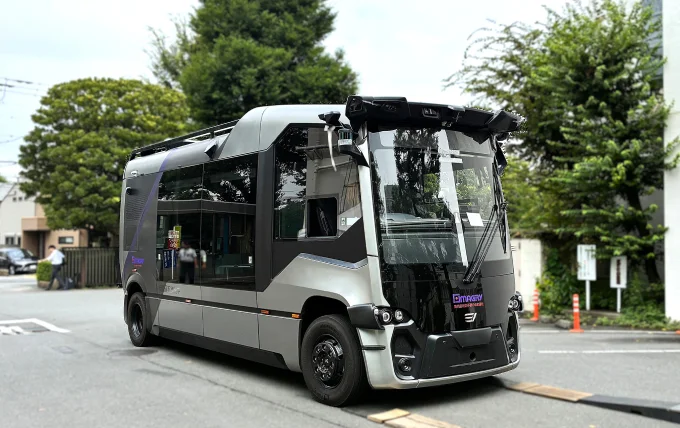
According to NTT, the tests will take place on public roads around NTT’s Musashino Research and Development Center, using an electric bus manufactured by eVersum and autonomous driving technology from Israeli company Imagry.
Initial testing will operate at Level 2 autonomy with a human driver must remain on board to supervise the vehicle and take control when necessary.
The project will test whether buses can navigate Japanese roads without relying on HD maps. According to NTT Mobility, creating and maintaining these maps can add time and expense when introducing autonomous transportation services to new routes, and the company wants to determine whether AI-based driving technology can reduce those requirements.
Testing Autonomous Driving Without HD Maps
Imagry’s autonomous driving system uses cameras to recognize and reconstruct its surroundings in real time, rather than relying on LiDAR sensors or prebuilt HD maps. AI models interpret road conditions and plan vehicle movements, while a separate set of rules governs requirements such as stopping, speed limits, right of way and passenger comfort.
NTT Mobility said the system separates functions such as perception, route planning and vehicle control, allowing developers to make improvements to individual components while testing their effects on overall performance.
The demonstration will evaluate how the technology handles left-hand traffic, Japanese road signs and signals, parked vehicles, pedestrians and cyclists. Researchers will also examine performance at night and in poor weather, along with the reliability of AI decisions and their dependence on training data.
Additional work will focus on safety assessments, regulatory compliance, remote monitoring and operating costs before any potential commercial deployment.
Road Testing Scheduled for February
NTT Mobility outlined the following development schedule:
- December 2026: Vehicle delivery, system adjustments and initial on-site driving tests.
- February 2027: Public road testing begins under Level 2 supervision.
- April 2027: Performance evaluations and assessments of technical challenges begin.
Imagry’s technology has previously been used in public transportation pilots in Israel and electric bus tests in Spain. The company is also involved in autonomous bus projects in Germany and a RoboShuttle deployment in Latvia.
NTT Mobility plans to display the bus and its mapless autonomous driving technology at the NTT R&D Forum 2026, scheduled for Nov. 18–20.