
Insider Brief
- Osaka Metro, KDDI and Avita are testing a Gemini-powered humanoid robot as a station attendant in Osaka to provide travel information, directions and multilingual customer service.
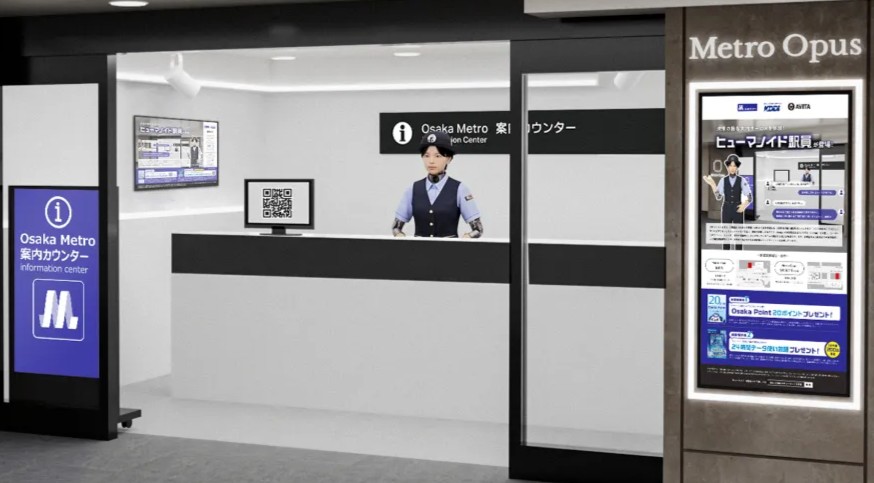
- The trial will run from Aug. 31 through Sept. 15 at two Osaka Metro locations and will evaluate passenger demand, acceptance and operational challenges around humanoid-based customer service.
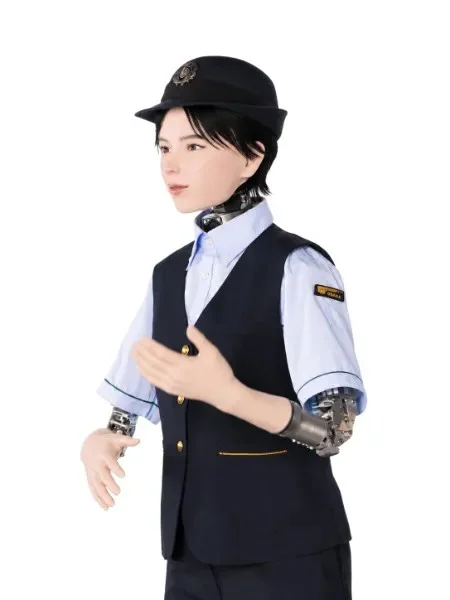
- The robot was jointly developed by KDDI and Avita and can answer questions about station layouts, transfers and nearby attractions while using speech cues such as tone, speed and intonation to support more natural interactions.
Osaka Metro, KDDI and Avita are testing a Gemini-powered humanoid robot as a station attendant to provide information, directions and customer service in Osaka, Japan. The demonstration will run from Aug. 31 through Sept. 15 at two Osaka Metro locations and is meant to measure demand and passenger acceptance along with identifying any operational problems.
According to the companies, the humanoid can handle more complex questions and communicate in multiple languages, including English and Chinese. Its system is also designed to detect characteristics of a person’s speech, including tone, speed, intonation and emotional cues, and use that information during interactions.
The robot was jointly developed by KDDI and Avita and is based on a design by Avita CEO Hiroshi Ishiguro, a professor at Osaka University. It uses Google’s Gemini generative AI model to answer questions about station layouts, transfer routes and nearby tourist attractions.
Passengers can also scan a QR code displayed on a screen carried by the robot to access more detailed route maps and destination information on their smartphones.
How the Trial Works
- Aug. 31-Sept. 6: Metro Opus Umeda, outside the north exit of Umeda Station on the Midosuji Line
- Sept. 9-15: Metro Opus Tanimachi 9-chome East, near the east ticket gate at Tanimachi 9-chome Station
- Hours: 11 a.m. to 8 p.m. daily, except Aug. 31, when the trial begins at 1 p.m.
- Services: Station guidance, transfer information, nearby tourist recommendations and QR-linked route information
Osaka Metro indicated the demonstration is part of its work with AI technology and will help determine whether humanoid robots can improve service for a diverse group of passengers while supporting continued operations.
KDDI is providing the communications and AI infrastructure behind the project, including resources such as AI data centers, while also planning and operating the trial. Avita is responsible for the humanoid, communication technology and dialogue systems.
KDDI and Avita said they are developing the domestically produced humanoid by combining KDDI’s communications and AI infrastructure with Avita’s avatar and robotics technology with a focus on customer service and guidance applications as they explore ways to address labor shortages across different industries.
The Osaka Metro trial comes as Japan faces workforce pressures tied to its declining birthrate and aging population. The three companies said the project will test whether physical AI can supplement customer-facing operations while maintaining service quality.
Avita develops avatar, AI and humanoid technologies for customer service and other applications. The Tokyo-based company is led by Ishiguro, whose work also included producing the Future of Life pavilion at the 2025 Osaka-Kansai World Expo.
Featured image credit: Avita