Nvidia Faces Shareholder Lawsuit and Mounting Scrutiny of China Ambitions as Jensen Huang Spy Scandal Deepens
 By James Dargan · · 4 min read
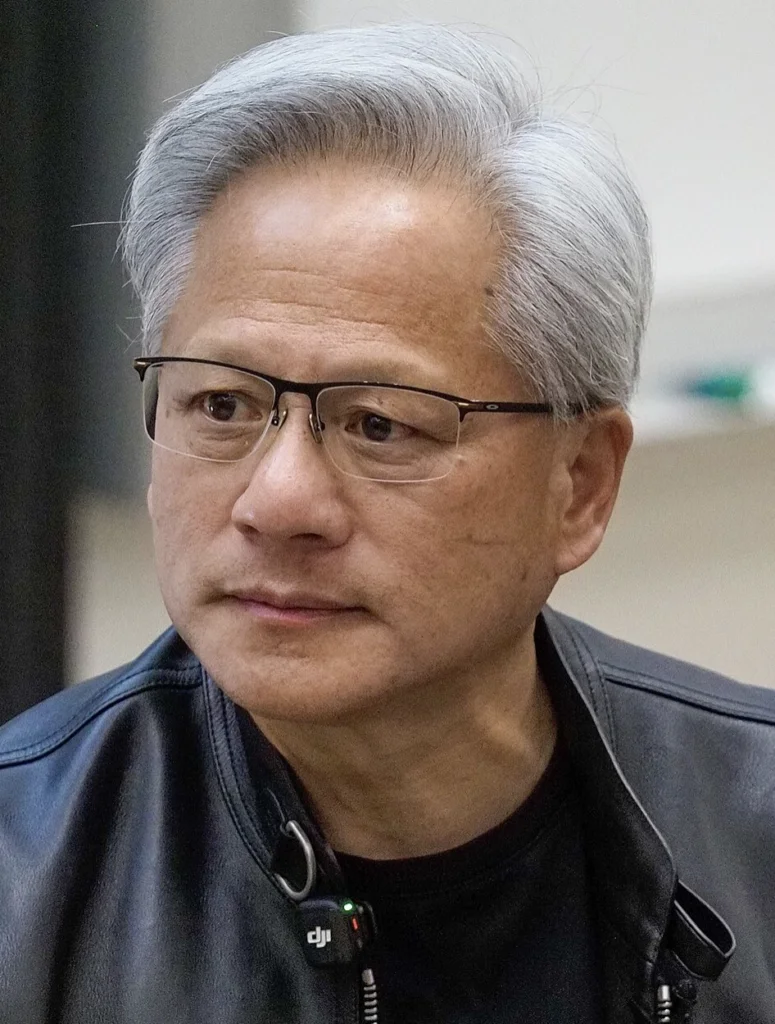
Nvidia’s stock fell more than 4% on Monday, the first trading day after its board opened an investigation into CEO Jensen Huang’s relationship with Alice Huang, a former Megaspeed executive whom U.S. intelligence believes was spying for China. Within hours, the fallout had spread from Wall Street to the courts, Congress and the AI conference circuit, raising fresh questions about the future of the world’s most important AI chipmaker and its ambitions in China.
Huang admitted to an extramarital affair in a memo to staff on Sunday, apologizing to his family and colleagues, though he did not name Alice Huang, who is not related to him. U.S. intelligence officials believe she was recruited by Chinese intelligence to gather information on the CEO and influence Nvidia’s efforts to loosen chip export restrictions. Nvidia’s independent directors are leading the review with outside counsel, and the board said it has no reason to believe national security or company secrets were compromised. Congress has already requested a briefing from Huang.
Securities lawyers moved quickly. At least four firms announced investigations into whether Nvidia misled investors, and by Monday afternoon Rosen Law Firm had filed a proposed class action in the Northern District of California on behalf of retail investor Mark Kistenmacher, covering anyone who bought Nvidia securities between October 9, 2025, and November 8, 2026. The suit, which names both Nvidia and Huang, points to statements by spokesperson John Rizzo that Huang’s interactions with Alice Huang were not unusual, the company’s claim that it found no evidence of chip diversion and Huang’s own remark to Bloomberg that dealings with Megaspeed were normal, arguing all three were misleading given the affair.
Stanford Law professor Robert Bartlett said the company’s earlier statement was clearly misleading from a securities perspective, and that because Huang is CEO, his knowledge is imputed to Nvidia. He expects a classic fraud-on-the-market claim tied to Monday’s drop of $7.97 per share, which could make any settlement extremely costly, although such payouts typically come from the company and its insurers rather than executives personally. Bartlett added that the situation would change dramatically if the board’s investigation found Huang knew of the intelligence connection, but said SEC action under Chairman Paul Atkins appears unlikely given President Trump’s support for Huang.
The scandal also threatens to undermine Huang’s long campaign for continued AI chip sales to China. He has repeatedly lobbied Washington, meeting often with Trump and officials last year before the government reversed restrictions on H20 chips and approved exports of the more powerful H200. Huang has called export controls a failure and warned that shutting Nvidia out would accelerate China’s own AI chip development. China accounted for $7.9 billion, or roughly 8%, of Nvidia’s revenue in the quarter ended July 26, while Reuters reported that around 600,000 H200 chips are sitting in Hong Kong as Beijing pushes companies toward domestic suppliers. Huang’s lobbying predates his reported meeting with Alice Huang in early 2024, but the allegations could weaken Nvidia’s assurances that it can keep sensitive technology away from unauthorized buyers. Secretary of State Marco Rubio reportedly warned officials close to Trump about the relationship earlier this year.
Warning signs had surfaced months earlier. Short seller Culper Research described the relationship as uncomfortably close in a May report, citing sightings of the pair socializing, and alleged that Megaspeed was secretly financed by Alibaba through shell companies, pointing to liabilities and equity that grew from $33 million to about $3 billion in a year. The Financial Times reported on Monday that documents show Alibaba lent money to Megaspeed through subsidiaries, although Culper’s diversion claims remain unverified and the firm stood to profit from its allegations.
Wired reported that Huang engaged Heller Inc., a crisis communications firm founded by Risa Heller and known for handling high-profile sex scandals, at least a year before his admission, with Nvidia’s communications team told to copy the firm on press inquiries after an October 2025 New York Times report on Megaspeed’s purchase of nearly $2 billion in Nvidia chips.
Huang has now withdrawn from upcoming appearances, including the ElevenLabs Summit in New York and the Anthropic CEO Forum, as the AI industry weighs his staying power and Nvidia’s China strategy.
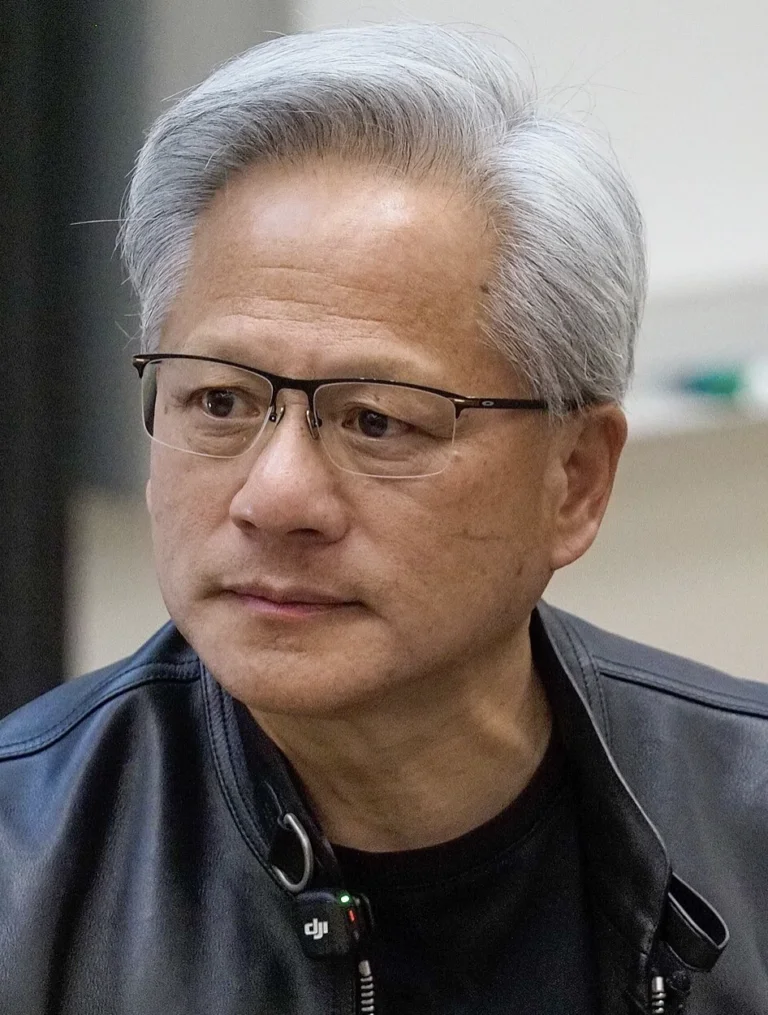
Featured image: Credit: Anderseidesvik, Wikipedia