Many Applications
Used most often for video games, 3D cinema, astronaut training and the military, virtual reality (VR) is only set to get more popular in the future. This has, for one, been compounded by the COVID-19 pandemic which has seen a huge rise in its use. And with the global VR market set to reach $62.1 billion dollars by 2027 according to Grand View Research, it’s little wonder this amazing technology is about to help workers in the oil and gas energy sectors.

Neptune Energy, a British oil and gas exploration and production company with a regional focus on the North Sea, North Africa and the Asia Pacific, has just completed a pilot programme of its new technology to implement VR in oil and gas.
Developed by PaleBlue, a leading provider of VR, AR and 3D simulators for the real world based in Norway, the technology has already been used to train astronauts travelling to the International Space Station.
Totally Virtual
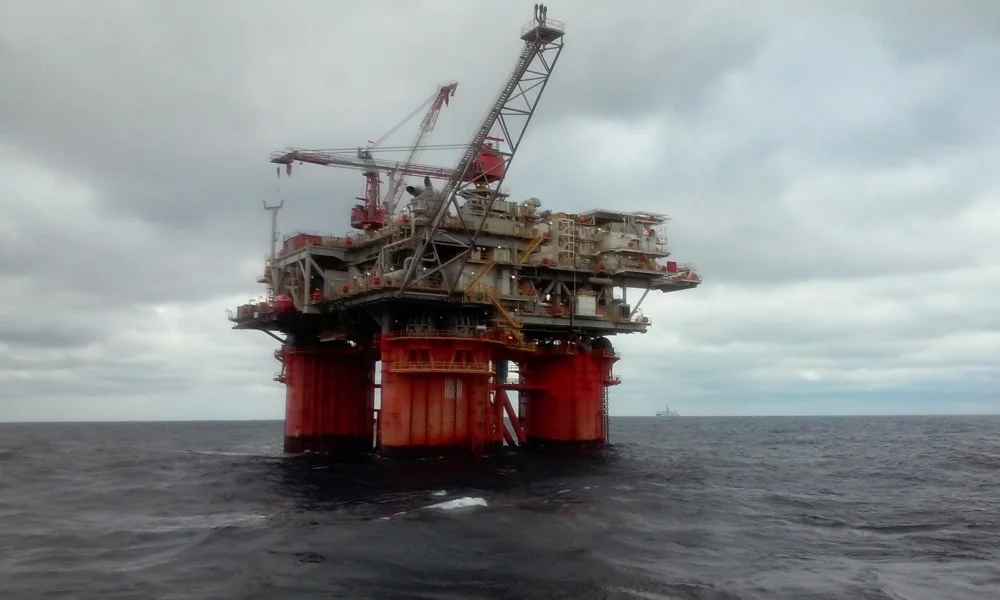
Decreasing the need for offshore travel, offshore workers can use the state-of-the-art VR technology to link with an ultra-realistic 3D model of Neptune Energy’s Gjøa platform in the Norwegian North Sea, which reduces operational costs, emissions and supports safe working standards. Neptune Energy also plans to expand the technology by employing a “multi-user function” that will allow for offshore workers to come together with onshore personnel in a world which is totally virtual.
“The new Virtual Reality solution allows employees and contractors to build up knowledge and awareness of the complex multi-level facility without the need to travel. Planning work operations will be safer and more efficient,” said Martin Borthne, Director of Operations for Neptune Energy in Norway.
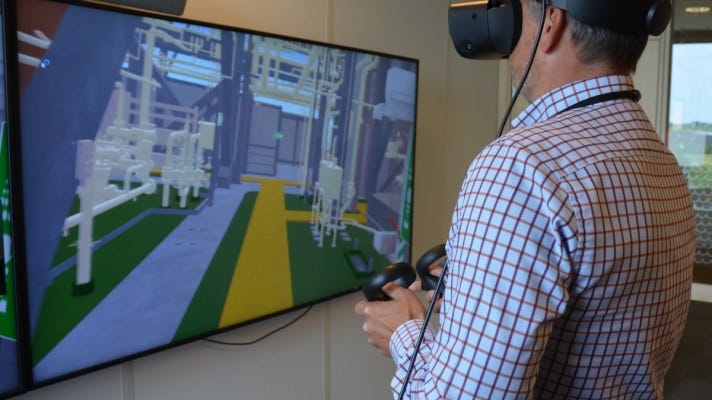
“The initiative will, together with other projects, see an estimated reduction of 30 offshore trips per year. We expect this to grow in the years ahead as digitalization further enhances collaboration over distance, bringing immediate access to expertise and enabling the preparation of activities to be carried out from onshore,” he added.
In a statement, Neptune Energy said it will use the tech for “familiarisation and safety training,” but intends to increase the scope to include other complex operational activities such as HSE-related simulations or to better understand how platform modifications will appear before they have been carried out.
When asked, Egil Thomas Andersen, Account Director at PaleBlue, remarked:
“The restrictions and all the consequences of Covid-19 have introduced challenges to operations for many companies. By doing the familiarisation training in a virtual world, even from home, companies can overcome travelling restrictions, save time, costs and emissions, and will be 100% prepared with crucial knowledge of the facility when they physically arrive offshore.”
Digitizing Operational Assets
In a statement, PaleBlue said “digitizing operational assets” to improve safety, productivity and reduce environmental impacts is a “key component” of its future digital strategy. Along with the VR pilot on Gjøa, the firm has set up digital twins of platforms in the Norwegian, UK and Dutch sectors of the North Sea. These permit offshore site inspections and planning work to be executed onshore. Additionally, Neptune Energy uses laser scan technology to perform thorough engineering work for subsea production developments which will be tied back to Gjøa.
An industry that has been traditionally tied to legacy operations, this pilot is an indication that the oil and gas sectors are open to adopting more deeptech options over time. A signal of this comes from a report by consulting firm Rystad Energy this spring, which stated that hundreds of thousands of jobs in the global oil and gas sector could be replaced by robots in the future.

The energy research and business intelligence company believes the positions could be filled using existing technology. This would save billions of dollars on reduced labour costs by 2030, meaning the industry’s future looks more optimistic.
If you found this article to be informative, you can explore more current space news, exclusives, interviews and podcasts here.