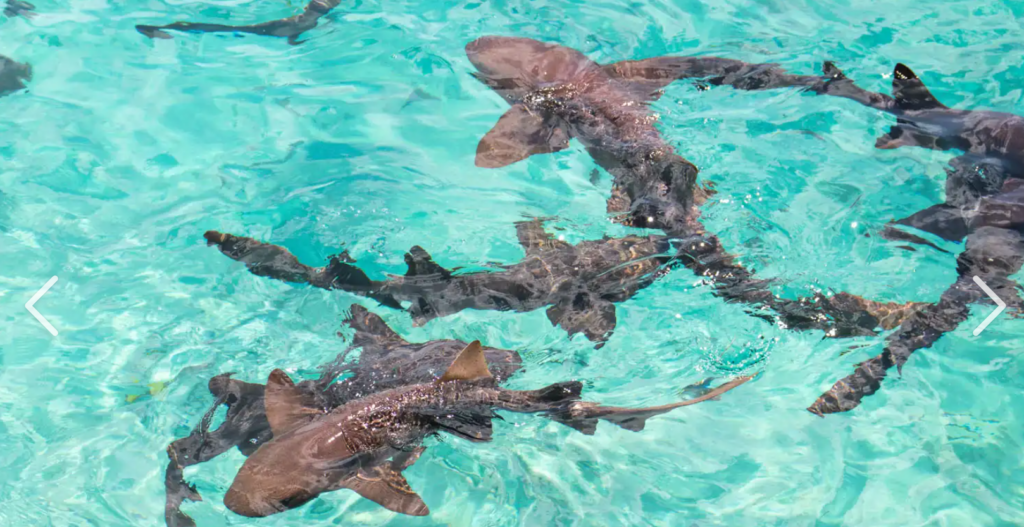
Over 100 nations, including the United States, have agreed to protect 30% of the world’s oceans by 2030, an initiative known as “30×30.” One of the ways to achieve this goal is through the establishment of Marine Protected Areas (MPAs), where human activities like fishing are restricted or banned to preserve marine ecosystems.
The Bahamas, which has designated its waters as a shark sanctuary and an MPA, serves as an example of the effectiveness of such protected areas. As Candice Fields, part of the Global Shark Census project “finprint,” stated in a recent CBS Mornings interview, “Because this is a shark sanctuary and a marine protected area, you can’t come in here and fish for anything, you can’t take a thing. It’s complete protection.”
To aid in the enforcement of MPAs, countries like the Bahamas are leveraging advanced technologies like artificial intelligence (AI) and satellite vessel tracking data.
“This is a big chunk of ocean, right? So we’re using this technology to help focus those patrol efforts,” said Gregg Cassad from the organization WildAid.
The report by CBS Mornings highlighted a specific AI-powered tool called “Skylight,” which combines AI and satellite data to track vessels, helping authorities identify and intercept illegal fishing activities. Senior Commander William Sturup of the Royal Bahamas Defense Force emphasized the importance of enforcement.
“We are there on the front lines as a military,” he said. “That’s how important it is to our government to protect our Marine Resources.”
By employing AI and satellite tracking, along with robust enforcement efforts, countries like the Bahamas are taking tangible steps to safeguard their marine ecosystems, contributing to the global “30×30” commitment. As Candice Fields noted: “There’s just tons and tons of reasons that we should work towards keeping the oceans as healthy as possible.”
Featured image: Credit: Skyscanner