Insider Brief
- Neura Robotics is partnering with RWTH Aachen University to establish Neura Gym RWTH Aachen, a physical AI training facility for intelligent and humanoid robots in Germany.
- The 3,000-square-meter site will be located at Hightech Campus Melaten and is intended for robotics research, AI-based training and industrial validation with about 20 RWTH institutes involved.
- Neura said 10 Neura Gyms are under development, with five expected to be operational across Europe, the U.S. and China by the end of 2026.
Neura Robotics is partnering with RWTH Aachen University to establish a physical AI training facility in Germany, expanding its planned network of Neura Gyms.
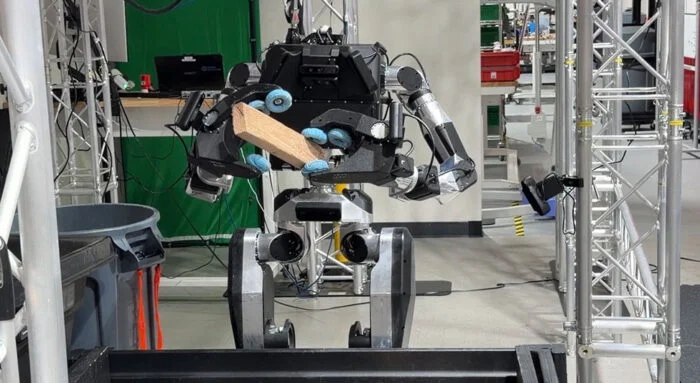
According to the German-based robotics company, the Neura Gym RWTH Aachen will be located at Hightech Campus Melaten and will cover about 3,000 square meters. The facility is intended for robotics research, AI-based training and industrial validation of intelligent and humanoid robots.
“The biggest bottleneck in physical AI is no longer intelligence, it’s experience,” founder and CEO David Reger said in the announcement. “Robots learn by interacting with the real world and that’s exactly why we are building NEURA Gyms. Every company possesses expertise that no AI model has today. Our Gyms transform this knowledge into deployable robot skills while every partner remains fully in control of its own data. Together with RWTH Aachen, we are building the infrastructure that physical AI needs to scale.”
Neura said the site will be one of two German flagship locations in its global gym network. The other is the TUM RoboGym that is scheduled to open at Munich Airport in the fourth quarter of 2026 in collaboration with the Technical University of Munich and the Munich Institute of Robotics and Machine Intelligence.
The company pointed out that 10 Neura Gyms are under development, with five locations across Europe, the U.S. and China expected to be operational by the end of 2026. Neura said the rollout is backed by its Series C financing of up to $1.4 billion, which it described as the largest ever raised by a full-stack robotics company.
The company pointed out that while large language models can be trained on vast amounts of text and other digital information, robots need real-world data from physical tasks, changing environments and human interaction. Neura said its gyms will combine physical training with high-fidelity simulation to generate datasets that can feed into Neuraverse, the company’s open cloud-based platform connecting robots, developers and industry partners.
Companies will be able to use the facilities to train and test robots for specific use cases before full industrial deployment. According to Neura, that approach is intended to reduce adoption risk and shorten the time needed to bring robots into production.
RWTH Aachen
The RWTH Aachen site will integrate about 20 university institutes. Additionally, two RWTH research chairs will help shape the site’s agenda. Volkmar Schulz, chair of Imaging and Computer Vision, will work on physics-based foundation models for robots. Burkhard Corves, head of the Institute of Mechanism Theory, Machine Dynamics and Robotics, will focus on human-robot interaction, motion and manipulation. Neura said the facility will be open to industry and will focus on areas including manufacturing, automotive, the circular economy and medical technology.
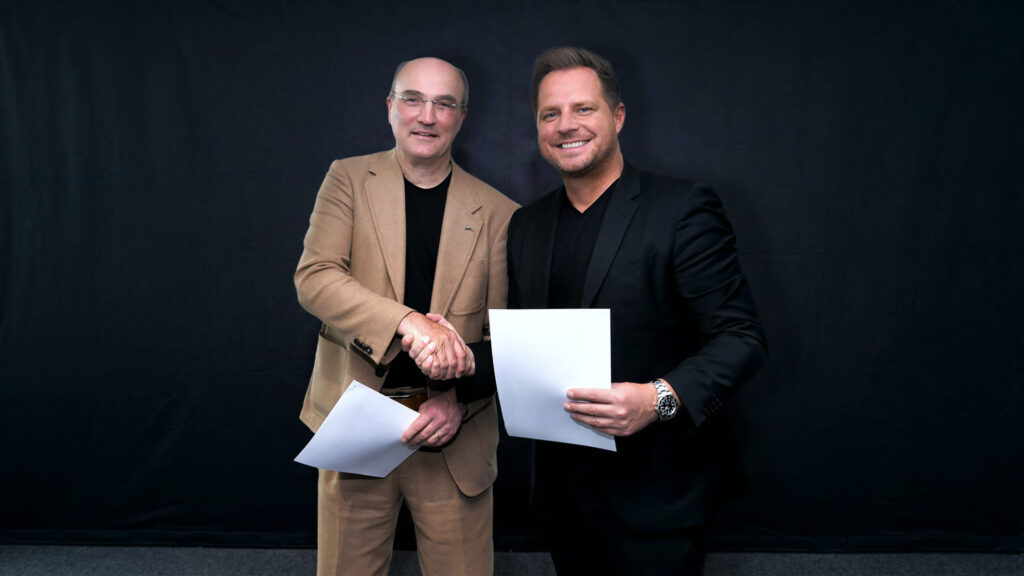
“The collaboration with NEURA Robotics and the NEURA Gym RWTH Aachen at the heart of our university takes our transfer strategy to a new level,” added professor Ulrich Rüdiger, Ph.D., rector of RWTH Aachen University. “RWTH looks back on decades of technological excellence in mechanical engineering, electrical engineering, and computer science. By combining this scientific leadership with a leading high-tech pioneer, we are creating a unique infrastructure for the skilled professionals of tomorrow and securing Germany’s leading position in the global AI competition.”
TUM RoboGym
The TUM RoboGym will cover 2,300 square meters and house a fleet of humanoid and cognitive robots. Neura said the site will combine academic research in AI and machine intelligence with its commercial robotics platform and a €17 million commitment.
“European sovereignty is extremely important in times of geopolitical competition between East and West,” director of the TUM RoboGym and executive director of TUM MIRMI professor Lorenzo Masia said in the announcement this past March. “With this research and training center — one of the largest of its kind worldwide — we are creating a unique infrastructure in Europe for our researchers and students.”
Image credit: Neura Robotics