
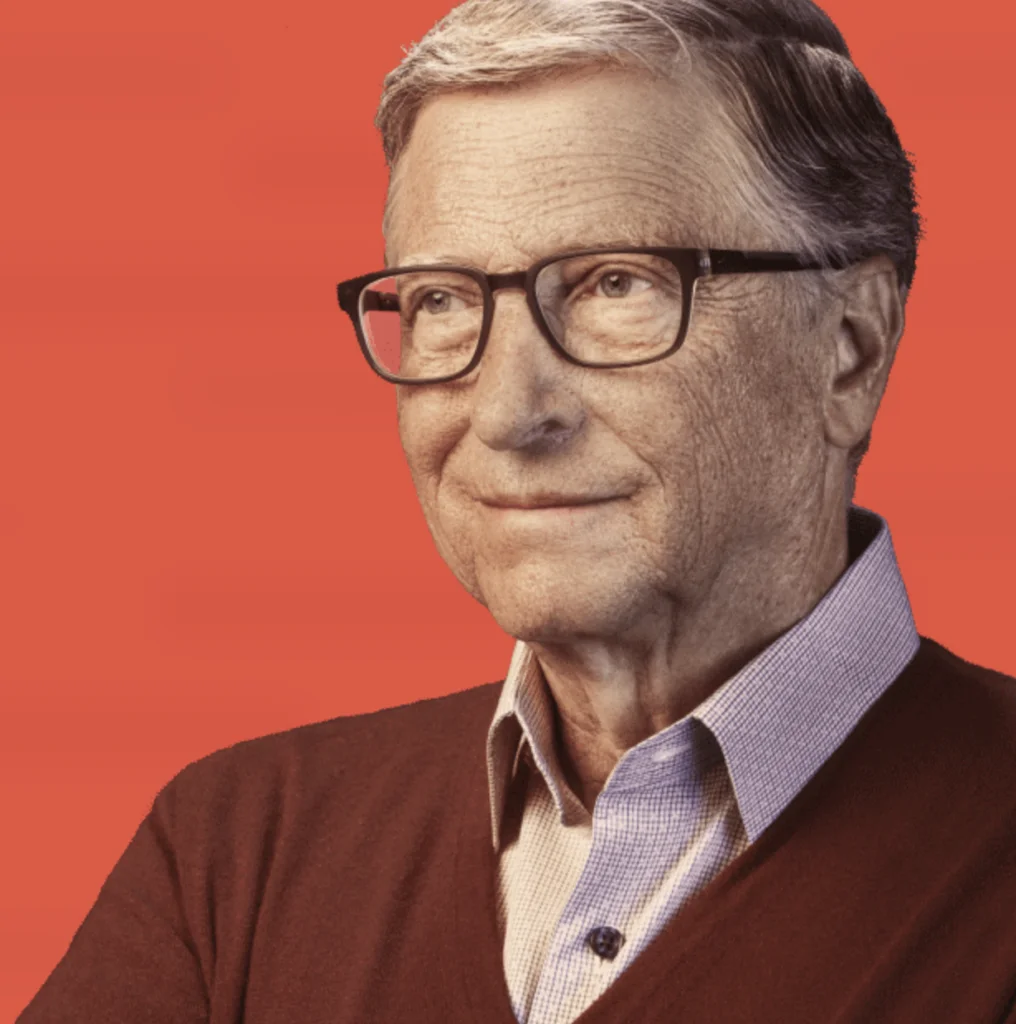
Bill Gates has published a lengthy essay on his Gates Notes site outlining proposals to manage the social and economic disruption posed by AI. The Microsoft co-founder expressed broad support for the Responsible AI movement, backing the goals of Pacing the Frontier, an open letter from AI employees calling for a slowdown in development, though he voiced doubt over whether such restraint could be sustained industry-wide.
While enthusiastic about AI’s potential in science and healthcare, Gates raised concerns over its effect on employment. He proposed a “robot tax,” arguing that current tax policy incentivizes companies to replace workers with automation since payroll taxes apply to human employees but not machines. Such a tax, he suggested, could slow the shift away from human labor while funding retraining programs and social safety nets.
Gates also introduced the concept of “Human Reserved” jobs, roles that would be deliberately shielded from AI automation. He said this could apply to occupations where large-scale displacement would harm workers unable to easily transition, or to sensitive contexts, such as delivering a terminal diagnosis, where human involvement carries moral weight beyond technical capability. Gates suggested such protections could evolve gradually, phasing in AI over years while preserving certain roles. Both proposals would notably reduce the profits of major AI labs, though questions remain about implementation and oversight.
Featured image: Credit: Gates Notes