Insider Brief
- Ultra has raised $62 million, including a $50 million Series A led by Framework with participation from Y Combinator, to expand deployment of its OP1 packing and fulfillment robot and the operations needed to install, run and service robots at scale.
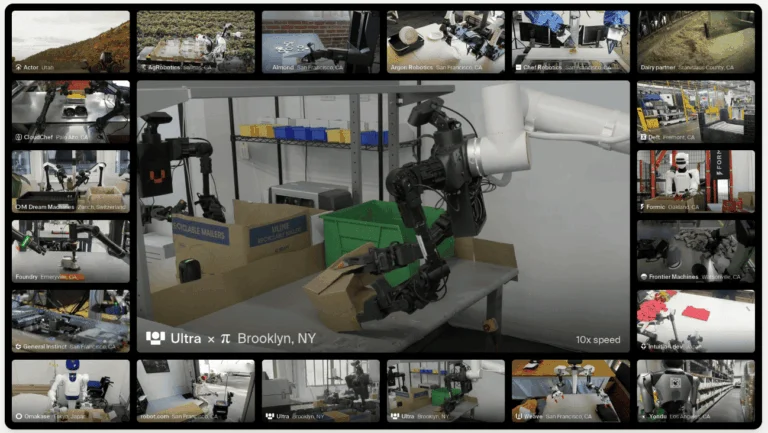
- Y Combinator said Ultra’s robots are already operating in U.S. warehouses and have packed more than 500,000 orders, with customers paying an installation fee and recurring subscription covering hardware, software and support.
- Ultra is also working with Physical Intelligence, with Ultra handling robot development and deployment while Physical Intelligence provides AI models intended to help the systems learn and adapt from real-world experience.
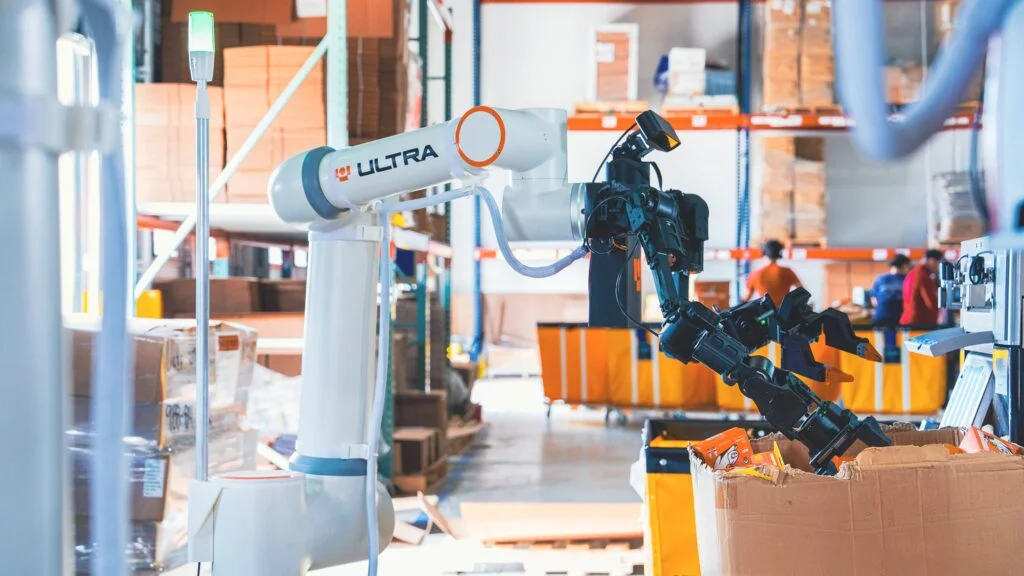
Ultra has raised $62 million in funding, including a $50 million Series A led by Framework, with participation from Y Combinator, to expand deployment of its OP1 robot and build out the operations needed to install, run and packing and fulfillment robots at scale.
Co-founder and CEO Jon Miller Schwartz said in a post on X that Ultra has focused on putting robots into customer environments early, using those deployments to shape OP1 around real-world requirements rather than controlled demonstrations. He said the company has also built processes around installation, operation, servicing and customer support as it prepares for wider deployment.
“It’s easy in robotics to become completely engrossed with the robot itself,” Schwartz wrote. “But technology only matters when it’s useful to someone. The best robot is the one people can rely on every day to build, do, and achieve more.”
According to Ultra, deployment as one of robotics’ main constraints, arguing that useful systems must operate reliably in changing environments and fit into customer workflows. The company said the new funding will support efforts to put more robots into everyday use.
Y Combinator said Ultra’s robots are already operating in warehouses across the U.S. and have packed more than 500,000 orders for shipment. The company uses a robot-as-a-service model, charging customers an installation fee and a recurring subscription that covers the hardware, software and support.
Y Combinator also noted that Ultra’s work with Physical Intelligence splits responsibilities between the two companies, with Ultra focused on building and deploying the robots while Physical Intelligence provides AI models designed to help the systems learn and adapt from real-world experience.