Mosaic Emerges From Stealth With $47M to Develop AI-Powered Surgical Robots
 By Greg Bock · · 3 min read
Insider Brief
- San Francisco startup Mosaic Intelligence Labs emerged from stealth with $47 million in seed funding to develop AI-powered surgical robots that help physicians navigate blood vessels during minimally invasive procedures.
- Backed by investors including 8VC, Fundomo, Lingotto Innovation and Obvious Ventures, Mosaic is developing sensing technology and AI software to provide continuously updated, three-dimensional views of anatomy and surgical instrument positions.
- The company plans to use data from surgical procedures to train systems that learn from physician actions, with the goal of improving navigation and eventually expanding the range of treatments delivered through blood vessels.
Mosaic Intelligence Labs has emerged from stealth with $47 million in seed funding to develop AI-powered robotic systems that help physicians navigate inside the human body during minimally invasive procedures.
According to the San Francisco startup, it being backed by investors that include 8VC, Fundomo, Lingotto Innovation and Obvious Ventures. Its initial focus is on endovascular procedures, in which doctors guide flexible wires and catheters through blood vessels to deliver treatments.
Mosaic is developing sensing technology and AI software designed to give physicians a continuously updated, three-dimensional view of blood vessels and the instruments moving through them. The system will also include a robotic interface for controlling surgical tools.
Developing Surgical Systems That Learn
Mosaid pointed out that physicians currently rely on live X-ray images, scans taken before surgery and physical feedback from instruments to navigate through blood vessels. Interpreting that information requires considerable experience, particularly when working through complex anatomy.
Mosaic is developing instruments that collect information about their surroundings as they move through the body. Its computing systems would use those signals to reconstruct the surrounding anatomy and track instrument positions.
The company indicated it also plans to capture data about instrument movements and physician actions, combining that information with computer models to help its AI systems learn how surgical tools interact with the body. That, the startup said, will help physicians during procedures while building a system that improves through accumulated surgical experience.
Mosaic co-founder and CEO Dr. Ileana Pirozzi said years spent observing surgeons in operating rooms showed her how much successful procedures depend on the experience and judgment of individual physicians.
“We kept returning to one question: what would it take to scale the knowledge of the very best surgeons?” said Pirozzi. “We believe that starts with making our machines aware, and turning surgical repetition into experience we can learn from,”
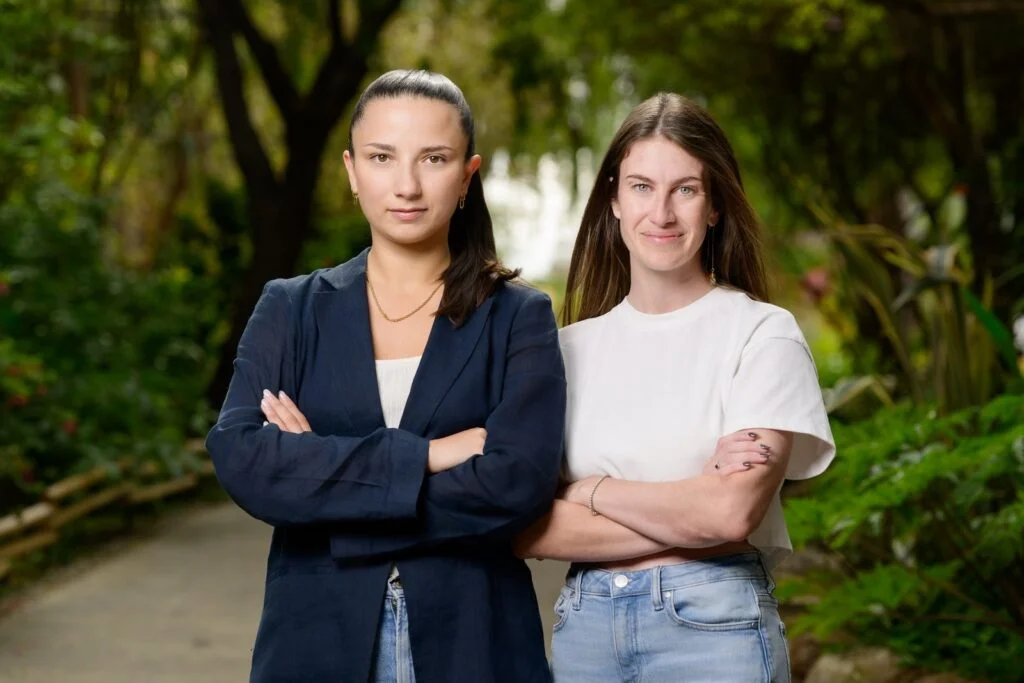
Pirozzi founded Mosaic with Dr. Alison “Ali” Kight Mackanic, the company’s chief technology officer. The two met during doctoral studies at Stanford University, where their work alongside clinicians highlighted how heavily complex procedures depend on individual experience.
Mosaic pointed out that existing surgical instruments lack an evolving understanding of their surroundings and how their movements affect those conditions.
“There is no evolving loop between perception and action, and as a result they are structurally locked out of the ability to become intelligent,” added Mackanic.
The company sees potential applications beyond its initial focus on vascular navigation. Catheters can carry drugs, biological therapies and other treatments directly to target locations through blood vessels. Mosaic said more reliable navigation could eventually expand the range of procedures performed using these methods and the settings in which physicians can offer them.
The company is recruiting employees in San Francisco across hardware engineering, sensing, machine learning and clinical engineering as it develops the technology.