Neura Robotics Plans Multimillion-Euro Physical AI Training Center in Spain
 By Greg Bock · · 3 min read
Insider Brief
- German robotics company Neura Robotics has partnered with the government of Aragón, Spain, and Costa Group to develop a Physical AI training center and testing facilities, with planned investment in the tens of millions of euros.
- Targeted to open in mid-2027, Neura Gym Aragón will allow businesses to train robots using their production knowledge and test applications for agriculture, food production, logistics, automotive and manufacturing.
- Through Neura’s Neuraverse platform, participating companies will be able to keep robotic skills private or license them to other businesses, while the project is expected to create skilled jobs and support regional research and workforce development.
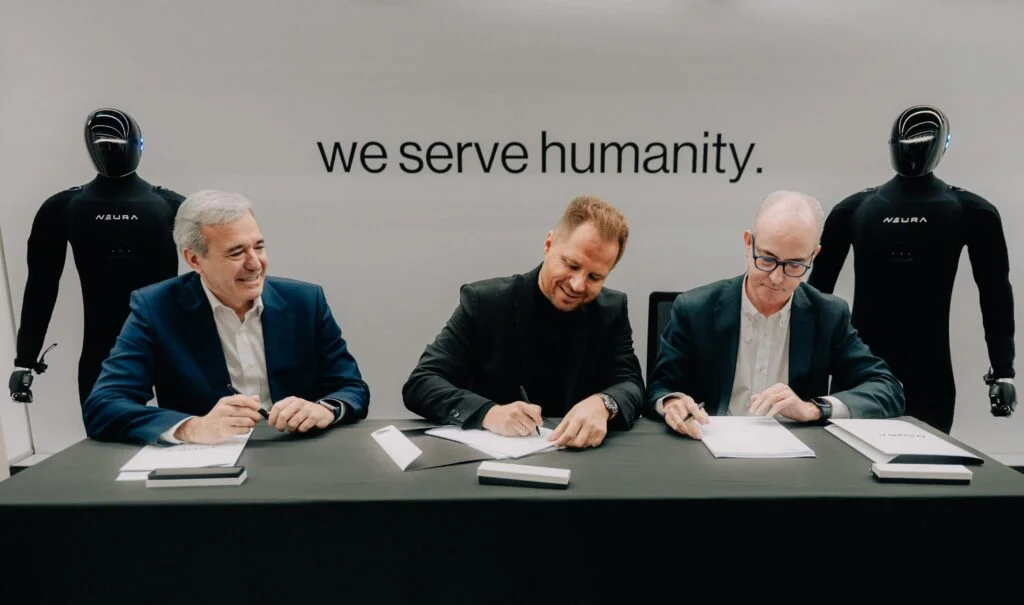
German robotics company Neura Robotics has signed an agreement with the government of Aragón, Spain, and industrial group Costa Group to establish a robot training center and testing environments backed by a planned investment in the tens of millions of euros.
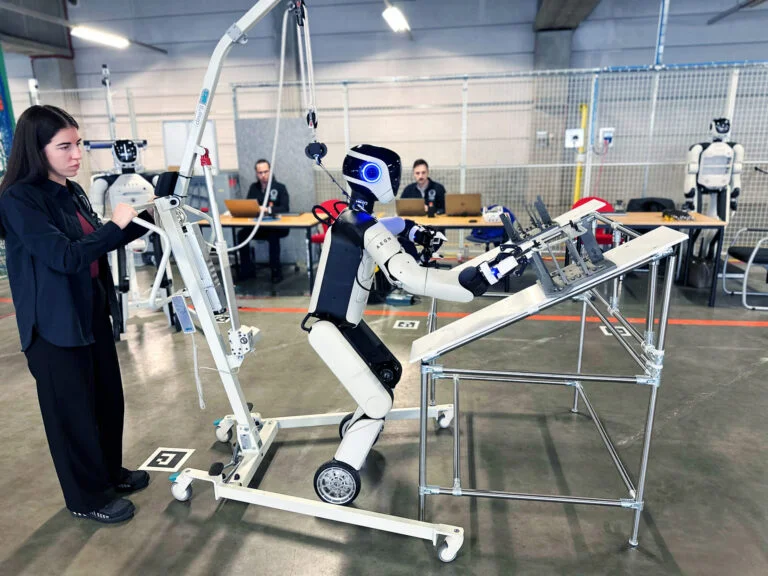
According to Neura, the planned Neura Gym Aragón and a surrounding Physical AI Model Zone is expected to open in mid-2027. Neura will build and operate the Gym, providing the equipment and software needed for training and testing.
The facilities will allow companies to train robots using their own production knowledge and test applications under working conditions before deployment, serving businesses in agriculture, food production, logistics, automotive and manufacturing with an emphasis on automating repetitive or physically demanding tasks.
Turning Industrial Knowledge Into Robotic Skills
Neura Gym Aragón will combine robots, AI models and simulation with the company’s Neuraverse software platform.
Businesses will be able to bring their own production tasks and operating procedures to the facility, train robots to perform them and evaluate how well the applications work. The infrastructure isn’t just for larger manufacturers and research institutions, but also small and medium-sized companies.
The planned Physical AI Model Zone will extend that work into industrial and selected service environments, where companies can evaluate robots and other autonomous systems under more realistic operating conditions.
The partners have yet to finalize the Zone’s locations, scope and participants. Testing in publicly accessible areas will require appropriate permits and safety measures.
Partners and Commercial Applications
Costa Group, an Aragón-based agricultural and food production company, will serve as the project’s main industrial partner. Neura said its operations will provide practical tasks for developing and testing robotic uses, initially exploring ways to improve productivity and reduce repetitive or physically demanding work.
The regional government will help connect the project with businesses, universities and research organizations, while coordinating workforce development and engagement with authorities. The University of Zaragoza and other regional academic institutions will contribute research expertise and support training programs for students and researchers.
The partners expect the project to create skilled jobs in robot training, facility operations and application development, along with opportunities for local suppliers and technical service companies.
Licensing Robotic Skills
The project also introduces a commercial model in which participating companies can benefit from the robotic skills developed using their manufacturing knowledge. Through Neuraverse, companies can keep those skills private or license them to other businesses under agreed terms.
The Aragón facility is also expected to connect with Neura’s expanding international network of robot training centers, allowing companies to make their applications available beyond their local markets.
“A company that develops a valuable skill should benefit when others use it,” Neura founder and CEO David Reger said in the announcement. “Our ambition is to connect Europe’s industrial strengths while keeping control and economic opportunity with the people and businesses that create them. That is how expertise developed here can become technology that customers around the world need.”