
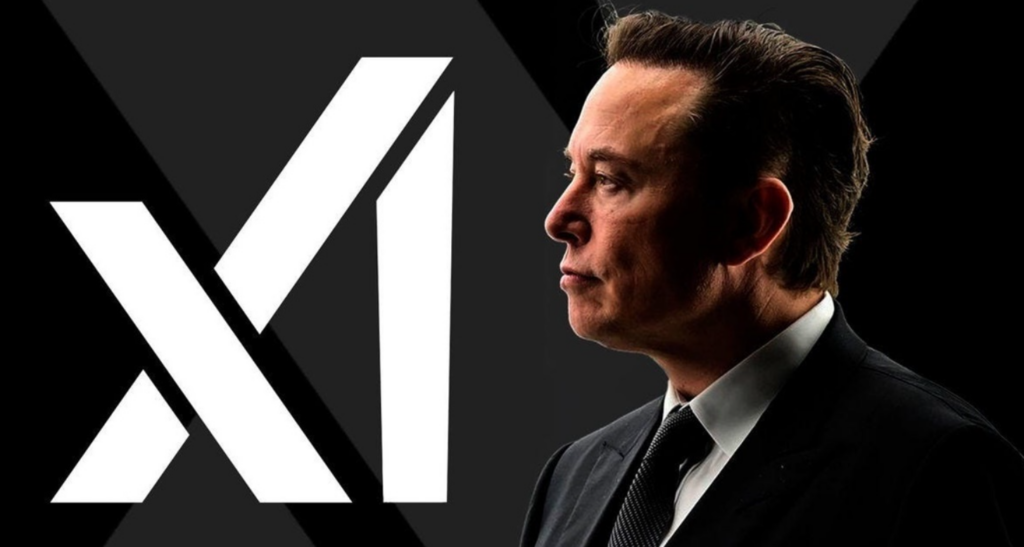
Elon Musk, always a leader in technological innovation, dispensed an eye-opening vision for the future of artificial intelligence (AI) at the All-In Summit 2024. Musk’s statements on AI drew attention not only because of his influence in the field but also because of the stark contrast between his hopes for immense prosperity and his concerns about existential risk.
“The rate of improvement of AI is faster than any technology I’ve ever seen,” Musk declared during the conversation, calling attention to the transformative potential of AI systems. In fact, Musk believes that the Turing test — once considered a benchmark for machine intelligence — has already been surpassed by even modest AI models, stating that “your basic open-source random LLM running on a Raspberry Pi probably could beat the Turing test.”
Musk’s projections for the future of AI are nothing short of revolutionary. He described a world where the cost of goods and services would trend toward zero, explaining that AI combined with robotics could create an “age of abundance.” In this optimistic future, the barriers to obtaining goods and services would be reduced to almost nothing.
“Everyone will be able to have anything they want,” he said, except for a few things we define as artificially scarce, such as unique artwork. For Musk, this prosperity-driven vision is the “good future” for AI, which he says has an 80% chance of becoming reality.
However, it’s not all optimism for Musk. He warned about the darker side of AI’s development.
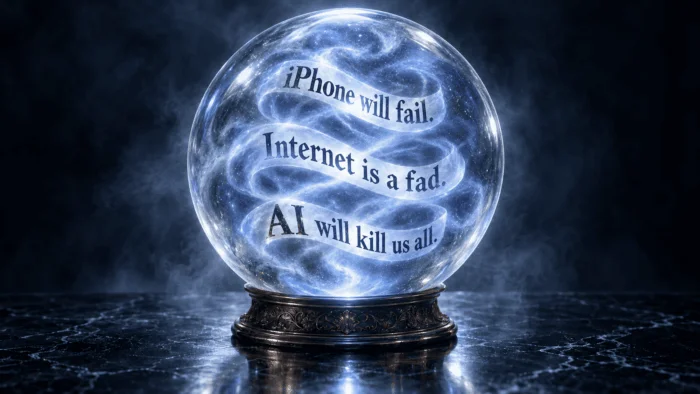
“There’s a 20% probability of annihilation,” Musk said soberly, though he didn’t go into specifics of what this worst-case scenario might look like. He admitted that in order to function day-to-day and sleep well at night, he has to engage in “some degree of deliberate suspension of disbelief” regarding AI’s potential dangers.
A central question Musk raised was how humans will find meaning in a world where AI can do everything better than we can. The idea that AI could take over virtually all human jobs may present an existential crisis. He reflected on how “the computer can do everything you can do better,” speculating that many people might struggle with their sense of purpose. Despite this, Musk pointed out that more people are enjoying retirement than ever before, indicating that the transition might not be as catastrophic as feared.
In Tesla’s case, AI is already being leveraged in transformative ways. Musk highlighted the company’s AI advancements, particularly with their proprietary Dojo system, which powers Tesla’s self-driving vehicles.
“The context length is very long,” Musk explained, detailing how Tesla’s AI compresses massive amounts of video data into the pixels that truly matter. This AI system, designed specifically for cars, is capable of parsing “gigabytes of context,” leading to real-time decision-making in autonomous driving.
Musk also said that the AI technology Tesla uses is custom-built and far superior to anything available from outside suppliers.
“The Tesla-designed AI inference computer that’s in the cars is better than anything we could buy,” he stated, further stressing Tesla’s cutting-edge position in AI-driven technology.
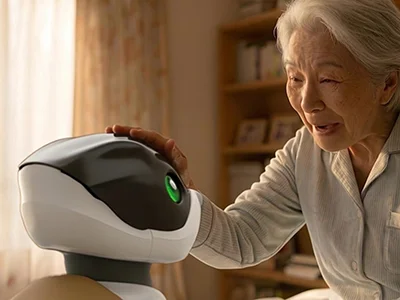
But the future Musk is most excited about is that of general-purpose humanoid robots. Tesla’s Optimus project, aimed at creating affordable and capable robots, is progressing rapidly. Musk sees a future where the number of robots will vastly exceed the human population. He stated: “Everyone will want a robot buddy,” adding that robots will eventually be able to do everything from walking the dog to teaching children. Musk believes that as the Optimus project iterates and scales, the cost of these robots could drop below $20,000, making them accessible to almost everyone.
While Musk is confident about the future of humanoid robots, he acknowledged that this will take time. The Optimus project is expected to reach scale within five to six years, after which humanoid robots will become a fixture in everyday life. Musk compared the development of robots to the history of human evolution: “We’re just made of meat, but we are general-purpose humanoids ourselves,” he quipped, underscoring the biological inspiration behind Tesla’s robotic designs.
In his closing remarks, Musk summed up his AI outlook with a mix of enthusiasm and caution. “The 80% good future is an age of abundance,” he said, pointing to the immense prosperity that AI can bring. But the lingering 20% chance of catastrophe is never far from his mind.
As Musk continues to push the boundaries of AI and robotics, the balance between these two futures remains an open question — one that may define the next generation of technological progress.
Featured image: Credit: xAI