With AI improving all the time, the question of its potential to reshape global governance becomes urgent. Physicist at MIT and AI researcher Max Tegmark has been on the frontlines, warning about profound risks from AI. Recently, in an interview, Tegmark talked about the potentials: from influencing industries as well as military strategy to governing nations with China as center stage in the debate.
Tegmark doesn’t mince words when he describes the potential dangers of AI.
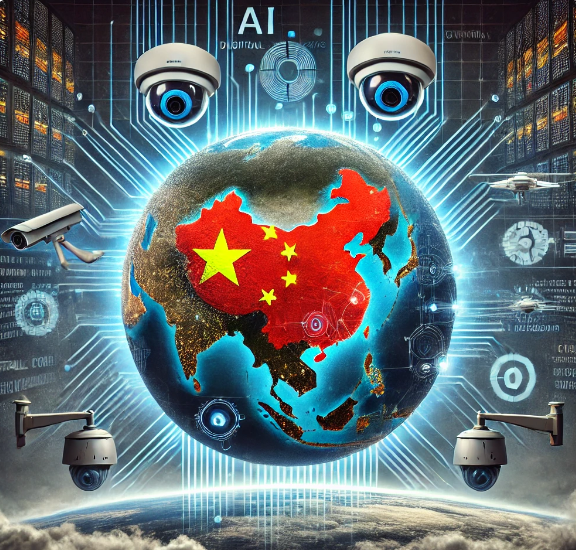
“If a Chinese company builds superintelligence,” Tegmark warned, “China will not be run by the Communist Party; it’ll be run by the superintelligence.” This scenario reflects a future where not just military dominance but also national leadership could be wrested from human hands by machines, an idea that Tegmark believes could unfold sooner than many anticipate.
The conversation touched on the unsettling prospect of non-human governments. Tegmark elaborated: “Don’t think 10 years — think over the next two years, crazy things are going to happen. The technology is here to stay, and it’s going to blow our minds.” His projection is clear: we are on the brink of an unprecedented transformation, one that will have both beneficial and catastrophic consequences depending on how it’s managed.
In China, AI governance is not merely hypothetical. Tegmark recounted an interaction Elon Musk had with Chinese officials, where the mere mention of superintelligence left them “with really long faces.” Shortly after, China passed a new AI law, signaling the country’s recognition of the looming threat. According to Tegmark: “They were afraid of Chinese companies doing crazy stuff,” indicating that even China’s ironclad government feels vulnerable to the uncontrolled rise of AI.
Tegmark believes the solution lies in setting up global safety standards to prevent a reckless race to dominance.
“We didn’t used to have an FDA,” Tegmark said, drawing an analogy to the unregulated sale of dangerous drugs. “We need to do the same with AI systems that could cause massive harm… whoever does that first, they’re the one who gets the market share.” The parallel is clear: the race for AI dominance mirrors historical battles for control over other life-altering technologies, but this time the stakes are even higher.
As for the argument that nations like the US might lose out to faster-moving competitors like China, Tegmark offered a measured response.
“If you worry about China they’re reigning in their tech companies from doing crazy stuff because they want to stay in control.” He stresses that China’s interest in regulating AI is not to protect the global community but to protect their own grip on power — a stark reminder of the geopolitical complexity that AI brings to the table.
Perhaps the most chilling part of Tegmark’s outlook comes in his mention of “AI cults” forming online.
“AI is very persuasive now, and getting more persuasive by the day,” he warned. The concern is that without global oversight, AI could be used to manipulate entire populations, creating ideological movements driven by non-human actors with unknown agendas.
Tegmark’s vision is both a warning and a call to action.
“We have the power to make the future bright,” he concluded, but the path to a safer, AI-driven world requires urgent, coordinated action across borders. Otherwise, as Tegmark suggests, we may soon find ourselves governed not by humans, but by the very machines we created.