Insider Brief
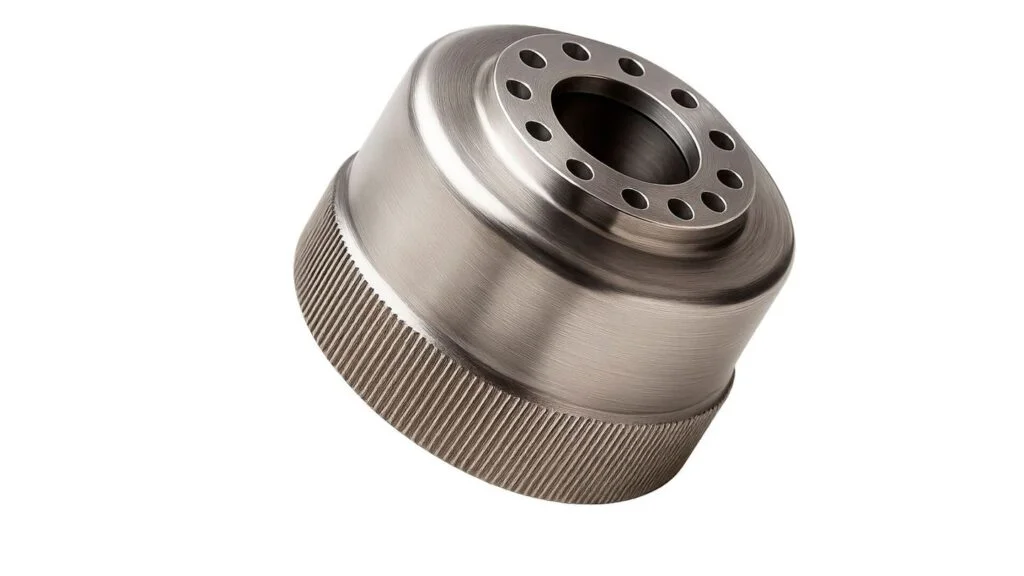
- Schaeffler is expanding its humanoid robotics portfolio with a formed strain wave gearbox designed for high-volume production, with mass manufacturing scheduled to begin in Germany in 2027.
- The company said its forming process can cut gearbox manufacturing costs by more than 25% and material use by more than 75%, while completing key production steps in seconds rather than minutes.
- Schaeffler said the gearboxes deliver torque and efficiency comparable with conventionally machined components and build on automotive manufacturing technology it has already used to supply more than 2 million formed strain wave gearboxes globally.
Schaeffler is expanding its humanoid robotics portfolio with a new strain wave gearbox designed for high-volume production, with mass manufacturing scheduled to begin in Germany in 2027.
The company said its forming process can cut manufacturing costs for the gearbox by more than 25% and reduce material use by more than 75% compared with conventional production methods. Key manufacturing steps can also be completed in seconds rather than minutes, according to Schaeffler.
Strain wave gearboxes are compact transmission components used inside robot actuators, which control movement at joints such as the arms and legs. Schaeffler said actuators account for about half the manufacturing cost of a humanoid robot, making their production an important target as robot makers look to increase output.
The company pointed out that the gearboxes are designed to transmit high torque with precise movement while fitting into the limited space available inside robot joints. They also provide the stiffness and accuracy required for repeated movement.
Schaeffler said the current process of machining gearboxes is relatively slow and capital-intensive while its alternative method uses high pressing forces to form key gearbox components into their required shapes. According to Schaeffler, validation testing found the formed gearboxes delivered torque and efficiency comparable with conventionally manufactured versions while maintaining dimensional accuracy and improving manufacturing consistency.
The company plans to begin production in Germany before expanding manufacturing to other regions. Schaeffler said it has supplied more than 2 million formed strain wave gearboxes for the automotive sector across major global markets over the past decade.
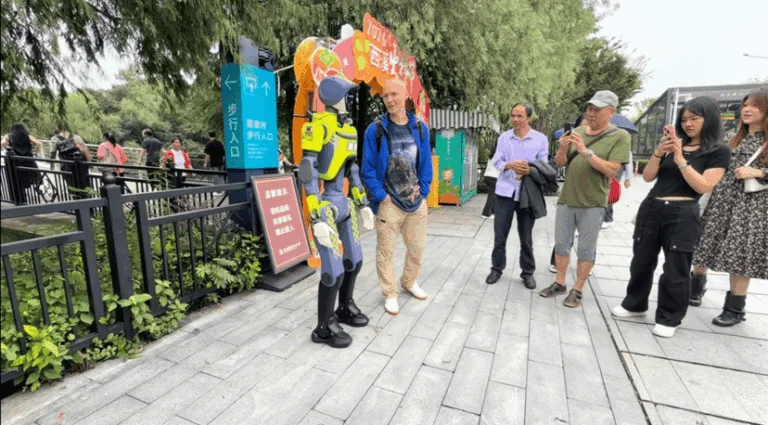
David Kehr, president of humanoid robotics said in the announcement that the gearboxes are another example of how the company is developing key components for mass manufacturing.
“Schaeffler will take a leading role in the market for humanoid robots,” Kehr said. “We deploy humanoids along our entire global value chain and therefore have first-hand knowledge of the requirements of this technology and can develop key components based on our know-how. Using this knowledge in combination with our decades of manufacturing experience and our automotive DNA, we can create solutions geared toward quality, economy, and scalability.”
Image credit: Schaeffler