Insider Brief
- Eni and Generative Bionics signed a memorandum of understanding to explore industrial uses for the GENE.01 humanoid robot across inspection, teleoperation, remote assistance and other complex operating environments.
- The companies will also examine materials, lighter and stronger footwear, sensor-equipped footwear, future manufacturing and assembly, battery lifecycle work and access to Eni’s high-performance computing infrastructure for physical AI development.
- The agreement follows Eni’s December 2025 investment in Generative Bionics through its Eni Next venture-capital arm.
Eni and Generative Bionics signed a memorandum of understanding to explore industrial uses for humanoid robots, including inspection, teleoperation and remote assistance in complex operating environments.
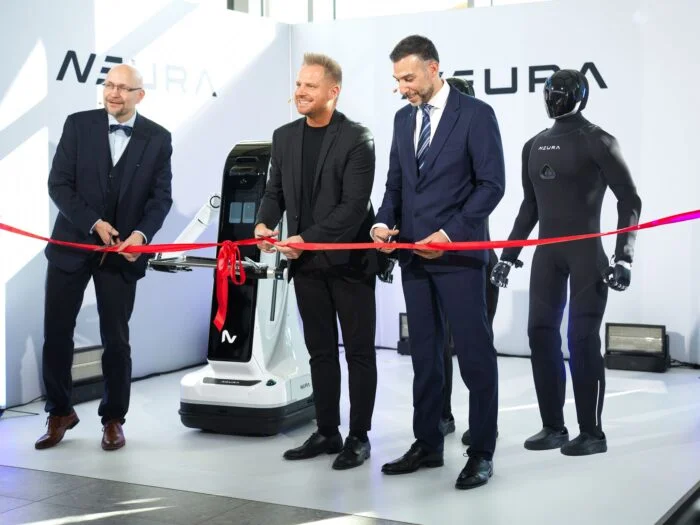
According to Eni, the agreement brings together Eni’s industrial, computing and materials capabilities with Generative Bionics’ work on humanoid robotics and physical AI. The companies said their joint analysis, testing and evaluation will start with Generative Bionics’ GENE.01 humanoid robot. Potential uses being explored include inspection work, teleoperation, remote assistance and support in complex industrial settings to determine whether humanoid robots can improve safety and efficiency for Eni facilities.
The partnership also extends into several areas of robot hardware, materials and production:
Materials: Eni’s chemicals company, Versalis, will work with Generative Bionics to explore components and materials for humanoid systems using its portfolio of chemicals, plastics, elastomers and renewable-source products, according to the companies.
Footwear: The companies will evaluate lighter and stronger designs for GENE.01’s foot and footwear system aimed at improving impact absorption, grip, durability and ease of assembly. The work may also draw on Finproject, a Versalis company that develops lightweight products.
Sensor-equipped footwear: Eni and Generative Bionics will study opportunities to industrialize and commercialize sensor-equipped footwear developed for the humanoid platform using Eni’s materials, expertise and market channels.
Production: Eni will assess whether its industrial sites could support future manufacturing, assembly and testing of advanced robotics systems. The companies may also cooperate on battery use, disposal and recycling across the production cycle of Generative Bionics’ humanoid robots.
Computing: Eni will evaluate providing Generative Bionics access to its high-performance computing infrastructure to support development, training and validation of physical AI models.
The agreement follows Eni’s investment in Generative Bionics through its Eni Next venture-capital arm in December 2025.