In her TEDxNortheasternU talk, “Pixels and Principles: Ethics of AI Art,” Melody Liu discussed the world of artificial intelligence (AI) and its encroachment upon creative arts. A Northeastern University graduate and co-founder of the Digital Illustration Association, Liu presented an incisive examination of the ethical dilemmas posed by AI-generated art, specifically addressing the nuanced interplay between innovation and intellectual property rights.
Liu opened her discussion with a reflection on the rapid advancements in AI, acknowledging both the marvel and the apprehension they incite.
“Today over 15 billion images have been generated by AI,” noted Liu, acknowledging her own contributions to these figures while also confessing. “The results are captivating and I think they speak for themselves, but it also stirred mixed emotions in me.” This duality of pride in technological progress and fear for the future of human creativity lays the foundation for her exploration of the ethical considerations at play.
The crux of Liu’s argument revolves around the nature of AI learning and creation.
“An AI is like a blank slate. It can’t generate anything of value, not until it’s trained,” she said. This training process, predicated on the vast consumption of existing artworks without creators’ consent, raises significant ethical concerns. Liu articulated this by stating: “Unfortunately, the artists that were used to train the AI see none of this money, even if their artwork was copyrighted.” This not only underscores the legal ambiguities surrounding AI art generation but also spotlights the broader implications for artists’ rights and the valuation of human creativity.
Liu further scrutinized the legal landscape, focusing on the concept of fair use and its application to AI-generated art. She outlined the conditions under which fair use might be considered, emphasizing that “the new work should be transformative,” and it “shouldn’t be damaging to the original copyright owner’s income.” Here, Liu highlighted the inherent conflict between the transformative potential of AI art and its capacity to undermine artists’ financial well-being, a tension that underscores the complex ethical terrain AI technologies navigate.
Amid these challenges, Liu envisions a path forward that respects both innovation and individual creativity. She advocates for a model where “companies should be required to obtain consent from an artist before using their artwork for training,” proposing a collaborative ecosystem that compensates artists fairly and ensures their involvement in the AI art generation process. By envisaging AI not as a usurper but as “another tool in an artist’s workshop,” Liu suggested a future where technology enhances rather than eclipses human creativity.
This vision of harmonious coexistence between AI and artists resonates deeply with broader societal concerns about the impact of automation on human labor and creativity. The anxieties expressed by some, fearing a future where “companies will prioritize cutting costs” over human artistry, reflect a profound apprehension about the diminishing value of human effort and creativity in an increasingly automated world. Yet, as Liu posits, there lies potential in positioning human artistry as a unique and irreplaceable element of cultural and commercial value, a stance that echoes historical valuations of handcrafted goods.
Liu’s talk touched on a fundamental aspect of creative work: the process itself. The critique that “the process of drawing, painting etc is the reason we create” underscores a vital distinction between AI and human artistry. It is not merely the outcome but the act of creation that imbues art with meaning and value. This perspective challenges the notion that AI can fully replicate or replace the human creative process, highlighting the intrinsic value of human touch in art.
The ethical dilemma surrounding AI-generated art, as Liu eloquently outlined, extends beyond copyright disputes and financial considerations. It touches on the very essence of creativity, the rights of creators, and the societal value placed on human versus machine-generated art. While AI holds the potential to revolutionize artistic creation, the imperative to navigate these advancements ethically and respect the contributions of human artists remains paramount.
In conclusion, Melody Liu’s “Pixels and Principles: Ethics of AI Art” offered a profound reflection on the intersection of technology and creativity. By advocating for a balanced approach that values both innovation and individual artistry, Liu not only addresses the ethical quandaries posed by AI-generated art but also champions a future where technology and human creativity coalesce to enrich the tapestry of human experience. In a world teetering on the brink of technological overreach, Liu’s insights serve as a crucial reminder of the enduring value of human creativity and the imperative to protect and celebrate it amidst the digital age’s relentless advance.
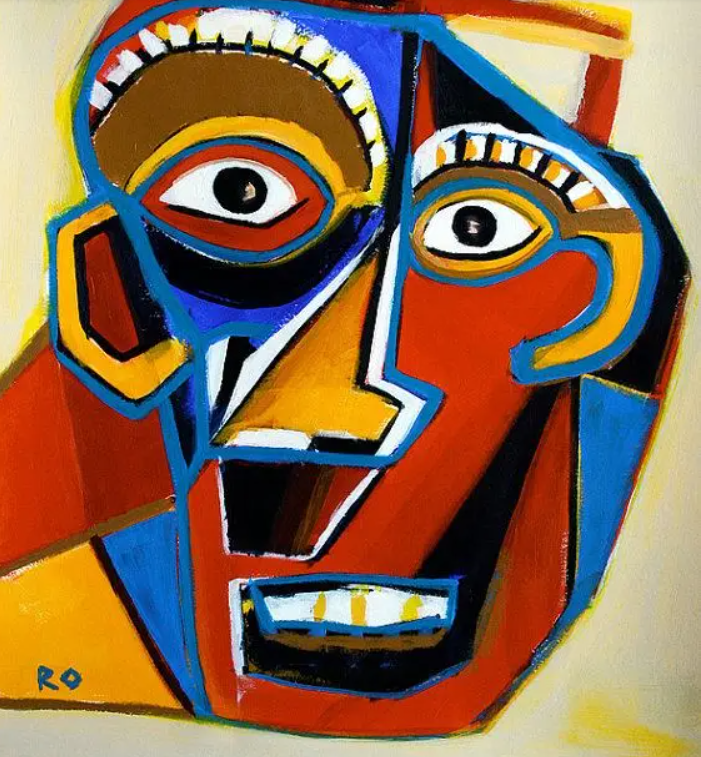
Featured image: Credit Pablo Picasso